OEM (Original Equipment Manufacturer) orthopedic instrument sourcing offers medical device distributors and hospital group purchasing organizations substantial cost advantages — 30-50% below branded manufacturer pricing — while maintaining full clinical quality. But OEM sourcing done wrong leads to regulatory headaches, quality failures, and reputational damage. This guide covers what procurement teams need to know.
What OEM orthopedic manufacturing means
OEM orthopedic manufacturing is the practice of sourcing instruments from a manufacturer who produces under your brand. You control branding (logo, packaging, labeling). The manufacturer controls production (tooling, quality control, regulatory documentation).
Three common OEM models:
- Standard OEM: Manufacturer produces their standard designs with your branding. 4-6 week lead time. Typical MOQ 100-500 units per SKU.
- Private Label: Variant of OEM. Sometimes refers specifically to branding/packaging layer. You sell as-is with your label.
- Contract Manufacturing / ODM: You bring proprietary designs, manufacturer builds exclusively for you. 8-12 week lead time. Higher MOQs (1,000+). Tooling costs.
Orthopedic-specific considerations
Orthopedic OEM differs from general surgical OEM in several ways:
Regulatory complexity
Orthopedic instruments often fall under higher regulatory classification than general surgical instruments (EU MDR Class I vs II; FDA Class II). This means:
- Additional technical documentation required
- Post-market surveillance obligations
- More stringent quality system requirements
Your OEM manufacturer must provide full technical file support — not just the product.
Material specifications
Orthopedic instruments often have stricter material requirements than general surgical:
- Hardness specifications (HRC ratings for cutting tools)
- Biocompatibility documentation (if in contact with patient tissue)
- Fatigue life testing (for impact instruments like rongeurs, mallets)
- Corrosion resistance under repeated autoclaving
Serialization and traceability
Many markets now require individual serial numbers on orthopedic instruments (for adverse event tracking). Your OEM manufacturer must support laser etching of unique identifiers.
The orthopedic OEM cost breakdown
Understanding cost components helps you negotiate:
| Cost Component | % of Total Price | Notes |
|---|---|---|
| Raw materials (AISI 420 steel) | 25-35% | Scales with volume |
| Manufacturing labor + overhead | 25-35% | Lower in Pakistan/China vs EU |
| Heat treatment + surface finishing | 10-15% | Specialized process for bone instruments |
| Quality control + testing | 5-10% | Higher for regulated markets |
| Branding + packaging | 5-10% | Fixed per unit |
| Compliance + documentation | 3-5% | Amortized across orders |
| Manufacturer margin | 10-20% | Your negotiation target |
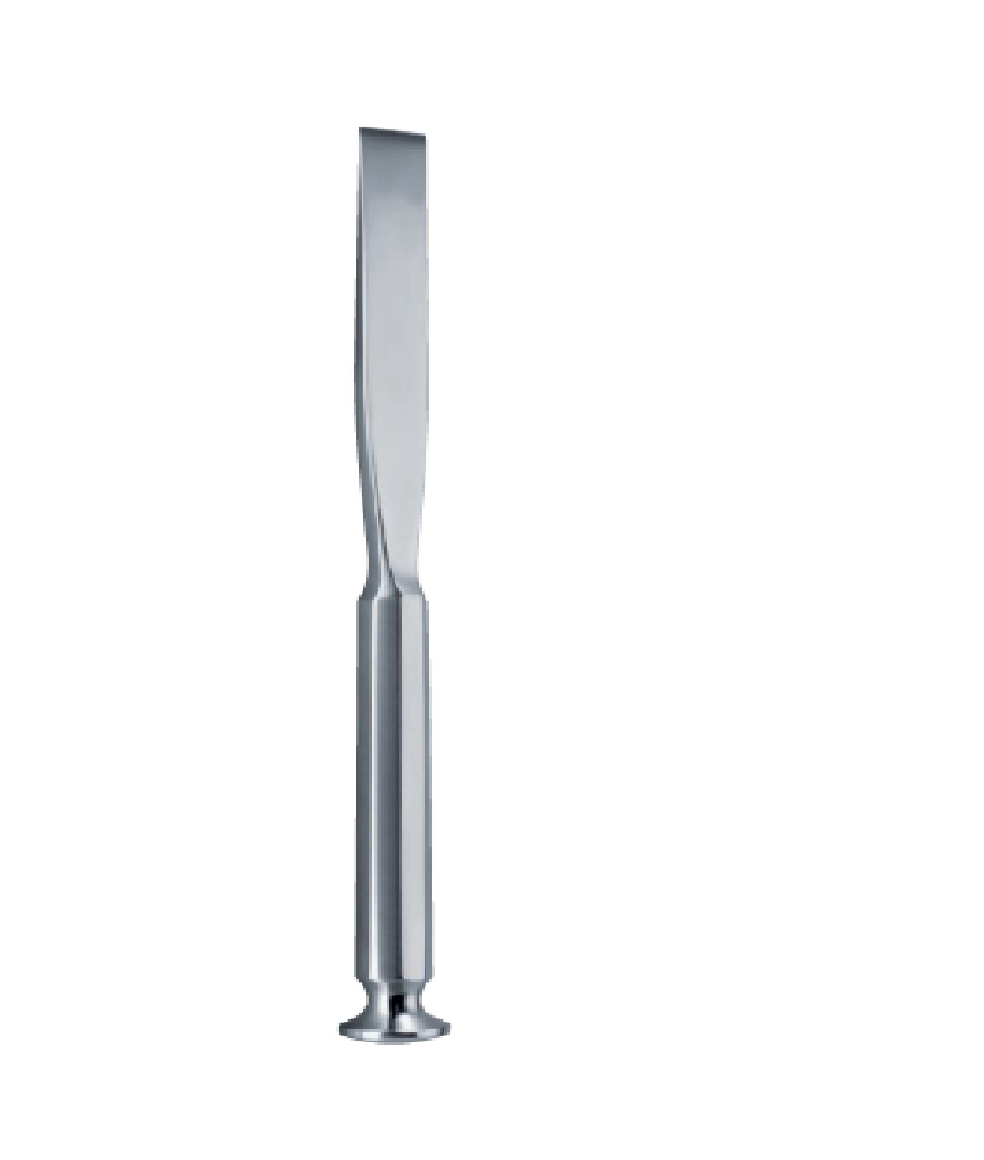
At 500-unit OEM orders, expect bone chisel pricing around $22-45 per unit, rongeurs $35-80, periosteal elevators $18-40. At 5,000+ unit contracts, $15-30 per chisel is achievable from quality Sialkot manufacturers.
OEM partnership checklist
Before committing to an OEM relationship, verify your manufacturer can provide:
Regulatory documentation
- ISO 13485:2016 quality management certificate
- CE marking documentation with Notified Body
- FDA Establishment Registration
- EU MDR technical file support (for EU distribution)
- Mill certificates for steel used in each production batch
- Biocompatibility testing reports
- Sterilization validation documentation
Quality agreements
- Defined AQL (Acceptable Quality Level) — AQL 1.0 for critical characteristics, AQL 2.5 for major characteristics
- First article inspection protocol for new SKUs
- Pre-shipment inspection with photos/video
- Defect replacement policy (typically 2% defect rate triggers free replacement)
- Batch traceability with unique lot numbers
Commercial terms
- Tiered pricing (100, 500, 1,000, 5,000+ unit levels)
- Payment terms (30/70 for first orders, L/C acceptance for larger)
- Lead time SLA with penalties for late delivery
- MOQ flexibility for initial qualification orders
- Exclusivity provisions (does your branded variant stay exclusive?)
Ongoing support
- Regulatory change notification
- Quality issue investigation and CAPA
- Design updates coordinated with your registration status
- Market-specific documentation (for regulatory updates)
Red flags in OEM proposals
- Suspiciously low prices (40%+ below market). usually indicates substandard materials, fake certifications, or dropshipping
- Unwilling to ship samples, serious OEMs ship 3-10 sample units free for quality verification
- Vague certification claims. demand specific certificate numbers, verify in public registries
- Large upfront deposits demanded before samples, standard is 30/70 or L/C
- No reference customers. a real manufacturer can name distributors in your market
- No ISO 13485, disqualifying for medical device OEM
Why Fizza Surgical for orthopedic OEM
Fizza Surgical has been manufacturing orthopedic instruments in Sialkot, Pakistan since 1985. Our OEM program:
- Low MOQ. 100 units per SKU for first order (industry standard is 500)
- Full regulatory package, ISO 13485, CE, FDA, EU MDR technical files
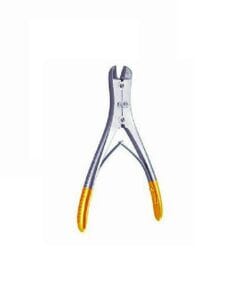
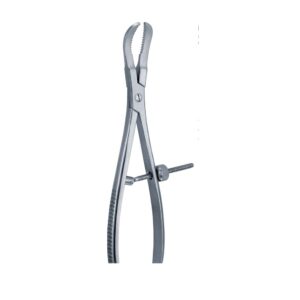
- Complete orthopedic range. chisels, gouges, rongeurs, curettes, saws, elevators, mallets, drills, taps, screws
- No tooling cost for standard designs with custom branding
- 4-6 week lead time, written SLA
- Individual laser marking. serial numbers, LOT codes, your brand name
- Free sample program, up to 10 units for qualified distributors
- Letter of Credit accepted for orders above $20,000
- 30-50% below branded manufacturer pricing
Request an OEM quote with your volume, SKU list, and branding requirements. We respond within 48 hours with complete proposal.
Related Resources
- Browse our complete bone surgery instrument range
- Bone Chisels and Gouges Catalog
- Bone Rongeurs Catalog
Where We Serve
Fizza Surgical exports to 50+ countries. Browse our country-specific pages with local regulatory guidance and pricing: