Theodor Kocher won the Nobel Prize in 1909 for thyroid surgery, and the heavy toothed forceps that bear his name reflect the surgical confidence of a man who pioneered modern thyroidectomy. The defining feature is the 1×2 interlocking teeth at the tip — a firm grip on dense tissue that would slip out of a Crile or Kelly. Kocher forceps grasp fascia, tendon, tough connective tissue, and the abdominal wall during closure. Used incorrectly on delicate tissue, they crush; they are not for vessels or bowel. The 14 cm, 16 cm, and 20 cm lengths cover most applications; the 20 cm is the deep-cavity working length. Modern orthopaedic and vascular trays still rely on Kocher when a sure grip is required.
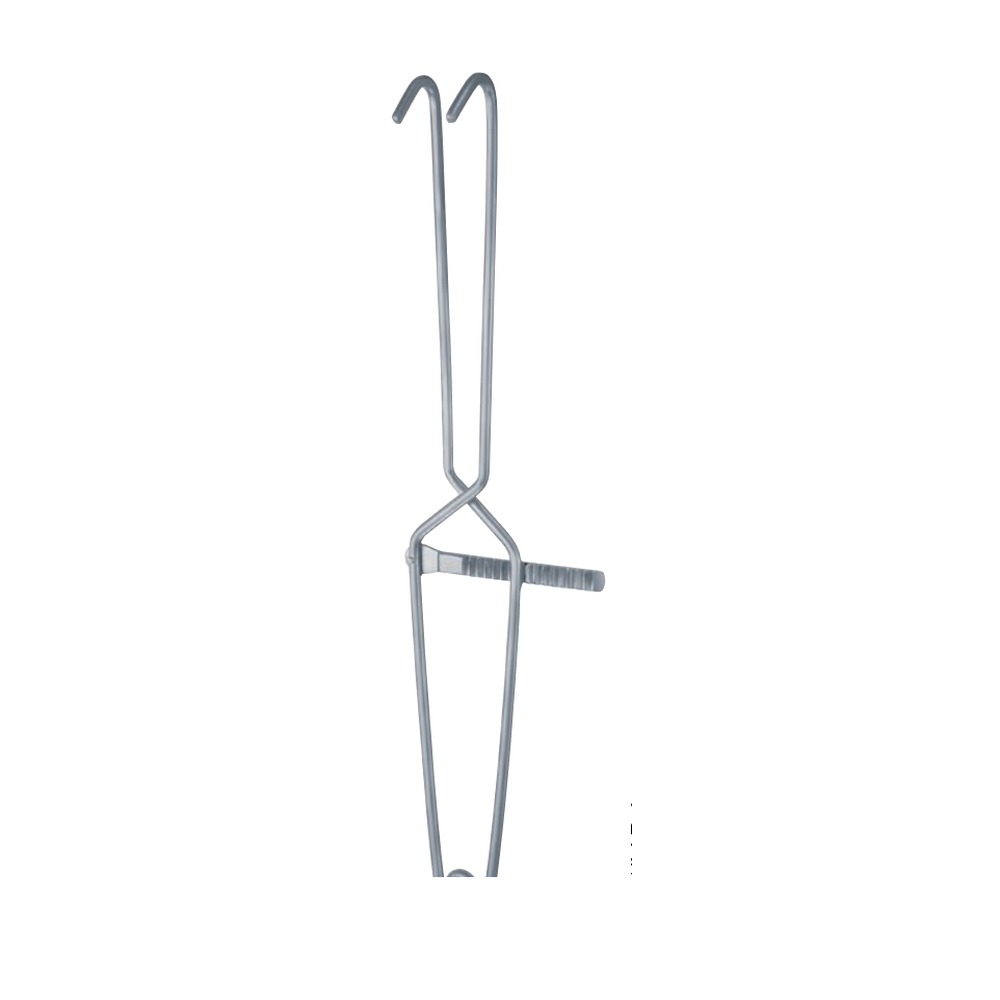
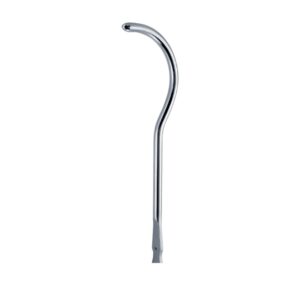
Kocher Bladder Retractor — Nobel-Laureate Pattern, manufactured by Fizza Surgical under reference BR 06-55-00.
| Reference / SKU | BR 06-55-00 |
| Pattern | Kocher |
| Material | AISI 304 austenitic surgical-grade stainless steel |
| Sterilization | Steam autoclave to 134 °C · EtO compatible |
| Quality system | ISO 13485:2016 · CE-marked under EU MDR 2017/745 · FDA establishment-registered |
- Kocher x = 67 mm 260mm (26cm) Bladder retractors (BR 06-55-01)
Manufacturing compliance is verified through ISO 13485:2016 certification (the international medical-device quality standard), CE marking under EU MDR 2017/745, and FDA establishment registration. Certificate copies and regulatory documentation are available on request for inclusion in hospital procurement files and EU technical documentation packages. Sterilization validation follows ISO 17665 for steam autoclave at 134 °C.

Reviews
There are no reviews yet.