
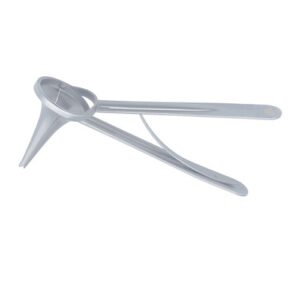
Abraham Tonsil Knife — Pillar-Sparing Pattern, manufactured by Fizza Surgical under reference TK 15-25-00.
| Reference / SKU | TK 15-25-00 |
| Material | AISI 420 martensitic stainless steel |
| Sterilization | Steam autoclave to 134 °C · EtO compatible |
| Quality system | ISO 13485:2016 · CE-marked under EU MDR 2017/745 · FDA establishment-registered |
- Brünings Tonsil Knife — Cold Capsular Dissection (TK 15-20-00)
- Fischer Tonsil Knife — Capsular-Plane Variant (TK 15-30-00)
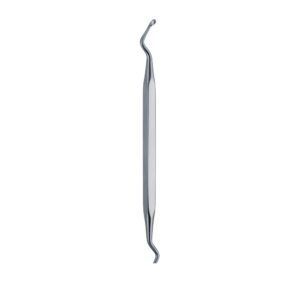
- Lempert Septum Elevator — Endaural Adaptation (SE 15-10-00)
Dental instruments cover extraction forceps, elevators, excavators, scalers, scissors, mirror handles, and specialty patterns for endodontic and periodontal work. Extraction forceps are the workhorses — English-pattern (rotational grip) and American-pattern (lateral grip) cover the major tooth groups: incisors, canines, premolars, molars in both upper and lower arches. Dental scaler patterns (Gracey, Columbia, Younger-Good) target specific tooth surfaces during periodontal treatment. Elevators (Coupland, Cryer, Winter) loosen teeth before extraction. Modern dental instruments are manufactured from AISI 420 stainless for autoclavability and corrosion resistance; tungsten-carbide tips appear on scaler and curette variants where edge retention matters most. Fizza manufactures full dental sets to ISO 13485:2016.
OEM private-label production is available from 300 units per SKU, with custom laser etching for distributor codes, hospital procurement IDs, and sterilization-cycle tracking marks. Custom packaging — peel pouch, blister, fabric-wrap kits, or co-branded boxes — is configured to distributor specification. Bulk-order pricing tiers are available on request for hospital group purchasing organizations and national procurement entities.


Reviews
There are no reviews yet.