Crile-Wood Needle Holder vs Mayo-Hegar: Heavy Tissue Suturing
Two needle holders sit in almost every general tray, and they look nearly identical at a glance: a ratcheted, box-lock instrument with cross-hatched jaws. Pick the wrong one…
 Made in Sialkot · Since 1980
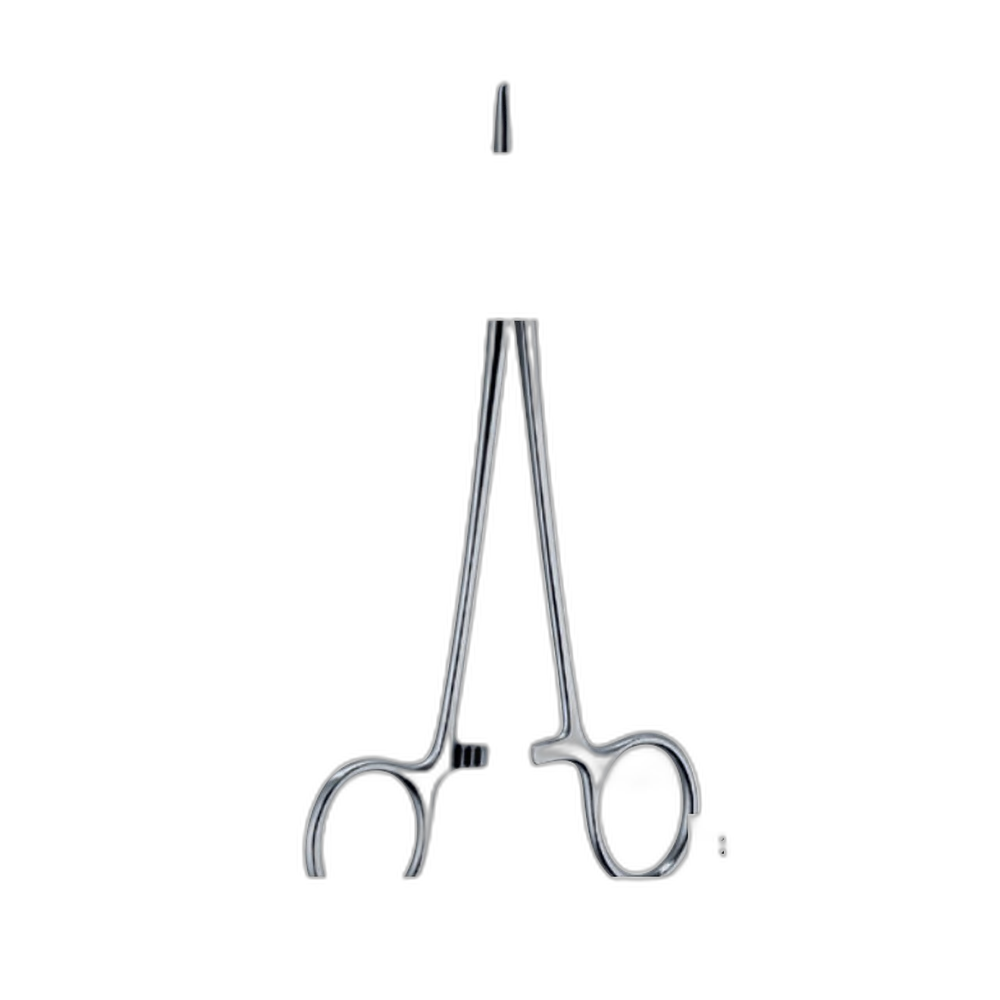
Two needle holders sit in almost every general tray, and they look nearly identical at a glance: a ratcheted, box-lock instrument with cross-hatched jaws. Pick the wrong one and you either crush a fine vascular needle or fight to control a heavy fascial suture. The distinction between the Crile-Wood and the Mayo-Hegar comes down to jaw mass and tip fineness.
| Crile-Wood | Mayo-Hegar | |
|---|---|---|
| Jaw profile | Narrow, tapered, finer tip | Broader, heavier, blunt tip |
| Best needle size | Small to medium | Medium to heavy |
| Suture range | 5-0 to 3-0 (finer work) | 3-0 to 0 and heavier |
| Typical specialties | Cardiovascular, plastic, ENT | General, gynecology, orthopedics |
| Feel in hand | Delicate, precise | Robust, powerful grip |
The jaw is the whole story
Both instruments share the same architecture — finger rings, a ratchet lock, and a box joint — so the difference lives entirely in the jaws. The Crile-Wood tapers to a narrower, slightly rounded tip. That fine point lets a surgeon grasp a delicate needle close to its swage without obscuring the field, which is why it turns up in cardiovascular and reconstructive work.
The Mayo-Hegar carries more metal at the tip. Its broader, blunter jaws close over a larger needle body with a firmer bite, distributing load so a medium or heavy needle does not twist as it drives through dense tissue. When you are closing rectus fascia or setting a heavy interrupted stitch, that extra jaw mass is what keeps the needle from spinning.
Choosing between them at the tray
Match the holder to the needle, not to habit. A useful rule: if the suture is 3-0 or finer, reach for the Crile-Wood; if it is 3-0 or heavier and the tissue is tough, the Mayo-Hegar controls it better.
Using a Mayo-Hegar on a fine 6-0 cardiovascular needle risks flattening or bending the needle, because the heavy jaws overpower it. Conversely, driving a large cutting needle with a delicate Crile-Wood can spring the jaws open or wear the box lock prematurely. The instrument should be the strongest link in the chain, comfortably matched to the needle it holds.
Tungsten carbide inserts
Both holders are available in a standard stainless version and a tungsten-carbide (TC) insert version, the latter identified by gold-plated finger rings. TC jaws are far harder than surrounding stainless, so they grip the needle more securely and resist wear from repeated needle contact.
For any surgeon suturing frequently, TC jaws are worth the premium: they hold needles longer without slipping and the replaceable inserts extend the working life of the instrument. A worn stainless jaw that lets the needle rotate is a quiet source of frustration that a TC insert eliminates.
Sizes and materials
Both patterns come in a range of working lengths — commonly 15 cm for superficial work up to 20 cm or more for deep-cavity suturing. The longer versions reach into the pelvis or chest without the surgeon’s hand crowding the wound.
Quality needle holders are drop-forged from martensitic stainless steel such as AISI 420, hardened so the box joint stays tight through thousands of cycles. A sprung box lock or a ratchet that fails to hold is the classic failure mode of a poorly forged instrument. Our surgical instruments are forged and hardened to hold the ratchet crisp over years of autoclaving, and are manufactured under the standards listed in our certifications. For microsurgical and ophthalmic suturing where even the Crile-Wood is too heavy, the spring-handled Castroviejo needle holder takes over.
Care and inspection
Test the ratchet on every reprocessing cycle: close to the first click and tap the jaws lightly — they should hold, not spring open. Inspect TC inserts for wear and the jaw serrations for flattening. Clean the box joint thoroughly, as dried blood there stiffens the action and eventually corrodes the pivot.
Frequently Asked Questions
What is the main difference between Crile-Wood and Mayo-Hegar needle holders?
The Crile-Wood has narrower, finer jaws for small needles and delicate suturing, while the Mayo-Hegar has broader, heavier jaws for medium to heavy needles and general tissue closure.
Which needle holder is used in cardiovascular surgery?
The Crile-Wood is favoured in cardiovascular, plastic and ENT surgery because its fine tapered tip controls small needles and fine sutures without obscuring the field.
What do the gold rings on a needle holder mean?
Gold-plated finger rings indicate tungsten-carbide jaw inserts, which grip needles more securely and resist wear far better than plain stainless jaws.
Can I use one needle holder for all suturing?
You can, but it is not ideal. Matching the holder to the needle size protects both the needle and the instrument. Most trays carry both patterns for that reason.
Need precision surgical instruments?
Configure complete instrument sets with our team — ISO 13485 certified, CE marked, made in Sialkot since 1980.
Related Guides
View all articles →
Where We Serve
Fizza Surgical exports to 50+ countries. Browse our country-specific pages with local regulatory guidance and pricing: