Aural Instruments: Ear Specula, Jobson Horne and Tilley Forceps
Aural instruments explained: Hartmann ear specula sizes, Jobson Horne probe, Tilley and crocodile forceps, suction bores and reprocessing.
A patient arrives with a completely occluded canal, a history of failed syringing at their general practice, and a tympanic membrane nobody has seen in six weeks. The whole examination and the whole treatment come out of a tray that holds perhaps eight items, most of them unchanged in design since the 1890s.
Aural instruments are a small, conservative family. They are also the set where a millimetre of size error, or a reflective finish, makes the difference between a comfortable two-minute procedure and a bleeding canal under a microscope.
The Core Aural Tray
| Instrument | Function | Typical sizes |
|---|---|---|
| Aural speculum (Hartmann) | Opens and straightens the canal for direct or microscopic view | 2.5, 3.0, 3.5, 4.0, 4.5, 5.0, 5.5, 6.0 mm |
| Jobson Horne probe | Ring curette one end, serrated wool carrier the other | 15–18 cm, single size |
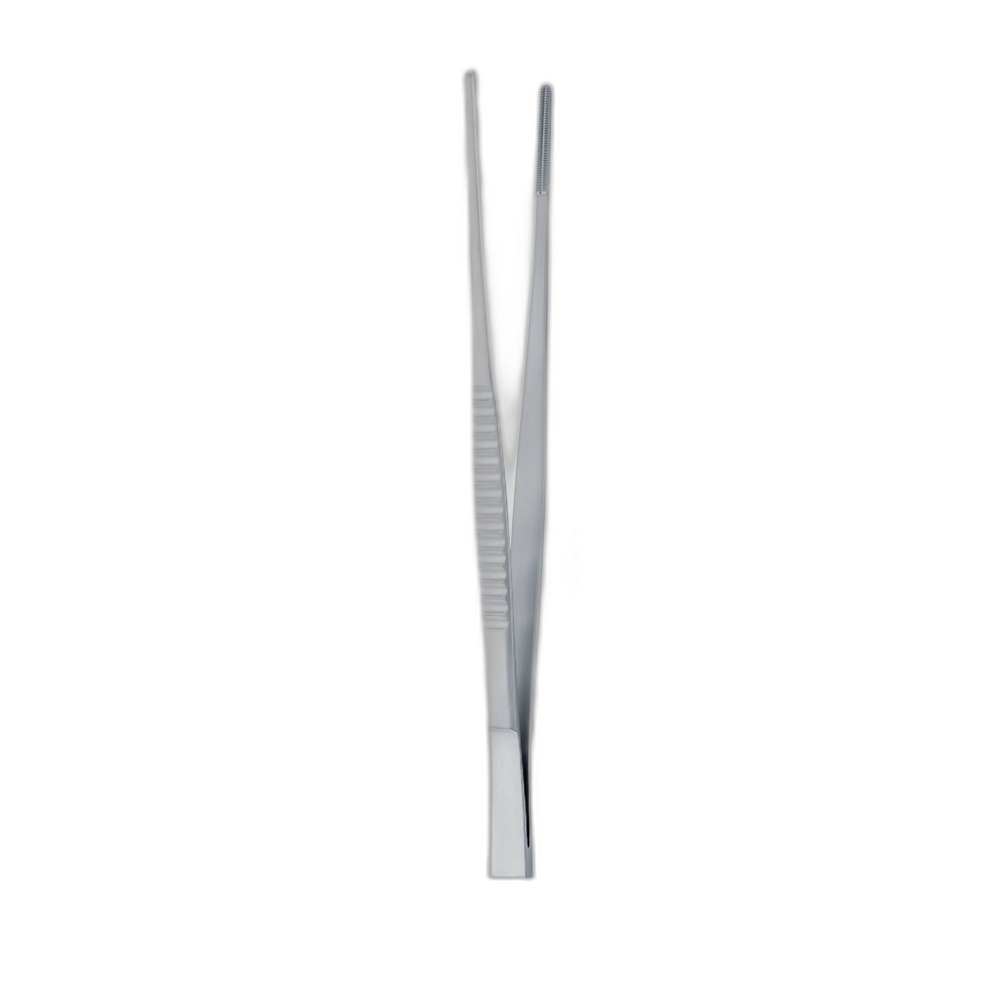
| Tilley aural dressing forceps | Placing and removing dressings, wicks, packs | 12.5–15 cm, bayonet or straight |
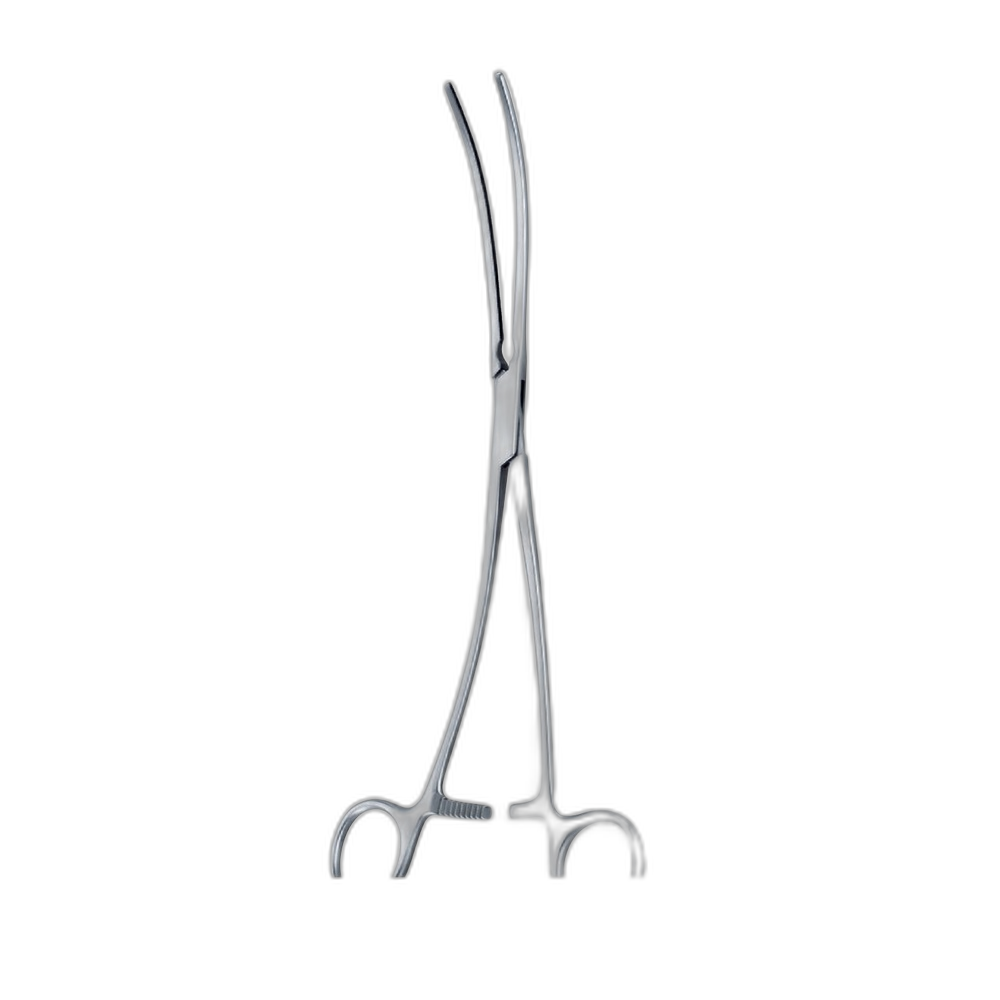
| Hartmann crocodile forceps | Grasping foreign bodies and debris in the canal | 8–14 cm working length |
| Wax hook / Rosen needle | Engaging behind a wax plug or elevating tissue | Blunt hook, 90° or 45° angle |
| Zoellner suction tube | Aspirating discharge, blood, irrigation fluid | 1.0, 1.2, 1.5, 2.0, 2.5 mm bore |
Aural Specula: Get the Size Right First
The Hartmann aural speculum is a truncated cone, open at both ends, with a flared outer rim to seat against the fingers or the microscope drape. It is a descendant of Kramer’s bivalved speculum; the modern single-piece funnel is Hartmann’s simplification and it has not needed changing since.
Size selection is the whole skill. The speculum must be large enough that the tip reaches past the hairy cartilaginous portion into the bony canal, because that is where the view opens up and where the canal skin stops being mobile. It must be small enough not to press on the bony canal wall, which is exquisitely sensitive and where the periosteum sits directly under thin skin.
Practical rule: start with 4.5 or 5.0 mm in an adult, drop to 4.0 mm if there is resistance at the isthmus, and use 2.5 or 3.0 mm in a child. A speculum that hurts on insertion is almost always one size too large or angled against the anterior canal wall rather than following the canal’s natural curve.
Two finish considerations matter more than most buyers expect:
- Matt or ebonised interior. Under a coaxial operating microscope, a polished speculum bore throws light back into the objective and washes out the drum. Black-anodised or matt-finished bores are worth the small premium for any microscope work.
- Wall thickness. A thin-walled speculum gives more working lumen for a given outer diameter, which matters when you are passing a suction tube and a wax hook through the same funnel.
The Siegle pneumatic speculum is a variant fitted with a magnifying lens and a rubber bulb, used to insufflate the canal and watch drum mobility. It is a diagnostic instrument rather than a working one — you cannot pass anything through it — and it belongs on the clinic bench, not the operating tray.
The Jobson Horne Probe
If one instrument defines this tray, it is this one. It is double-ended, roughly 15–18 cm, and each end does something different.
The ring curette end is a small oval or circular loop, fenestrated, with a slightly sharpened outer margin. It scrapes hardened cerumen off the canal wall and lifts it out. The fenestration is functional: it lets the wax pass through rather than accumulating on a solid face, and it lets you see past the loop as you work.
The serrated end is a flattened, cross-hatched paddle. It is a wool carrier. You twist a wisp of cotton wool onto the serrations, dress it with whatever solution is called for, and mop the canal — blood, pus, irrigation fluid, or antibiotic drops delivered directly to a specific spot rather than poured in.
Both functions require the instrument to be genuinely blunt everywhere except the curette margin. The canal skin in the bony portion is roughly 0.2 mm thick over periosteum. Anything with a sharp shoulder will lacerate it, and canal bleeding under a microscope ends the procedure.
Tilley Forceps and Hartmann Crocodile Forceps
These two get confused constantly, including in catalogues.
The Tilley is a dressing forceps — a long, fine, spring or ring-handled forceps with narrow serrated tips, made in bayonet and straight forms. Its job is to carry a dressing, a wick or a pack into a cavity and to withdraw it. The bayonet form offsets the handle out of the line of sight, which is why it is preferred for anything done down a speculum or under a headlight. The same pattern is used in the nose, which is why it appears in ENT catalogues under both headings and why it turns up alongside the nasal speculum patterns.
The Hartmann crocodile forceps has hinged jaws at the tip operated by a lever mechanism along the shaft, so the jaws open and close in a plane perpendicular to the shaft. That geometry is what lets you grasp something in a narrow canal without needing to open the whole instrument sideways. It is the correct instrument for a foreign body — a bead, a seed, an insect — and for grasping a piece of debris that a curette cannot engage.
A related pattern, sometimes called the Hartmann aural forceps, has a broader spade-like tip for delivering ointment-soaked dressings.
Buying note: crocodile forceps live or die on the jaw hinge. A worn or loose hinge means the jaws no longer meet at the tip, and a crocodile forceps that does not meet at the tip cannot grasp a 2 mm object. Test on receipt by closing the jaws and holding them to a light, and test again at every reprocessing inspection.
Suction, and Why Bore Size Is a Clinical Decision
The Zoellner suction tube is the standard aural sucker: a straight or slightly angled fine tube with a thumb-controlled vent hole on the handle. The vent is not a convenience feature. Occluding it applies full suction; releasing it breaks the vacuum instantly. In a canal with a perforated drum behind it, that instant release is the difference between clearing discharge and applying sustained negative pressure to the middle ear.
Bore selection follows the material. A 1.0 mm tube is for thin serous discharge and for work close to the drum. A 2.0 or 2.5 mm tube clears thick mucopurulent debris but will not fit alongside another instrument in a 4 mm speculum. Most clinics keep at least three bores on the tray.
These are lumened instruments, which puts them in the harder half of the reprocessing problem. A 1.0 mm bore that has dried mucopus in it cannot be cleaned by immersion, cannot be verified visually, and will not be sterilised reliably by steam. Flush at point of use, brush with a correctly sized lumen brush, and treat any tube that fails a visual inspection as a reject rather than a candidate for another cycle.
Materials and Finish
Aural instruments are made from AISI 304 or 316L for specula and non-cutting items, and from 420 hardened stock where a curette margin or a cutting edge is needed. Specula in particular benefit from 316L: they are handled constantly, disinfected constantly, and have no mechanical demand that would justify a harder, less corrosion-resistant grade.
| Component | Grade | Rationale |
|---|---|---|
| Aural specula | AISI 316L or 304 | Corrosion resistance; no hardness requirement |
| Jobson Horne curette margin | AISI 420, 48–52 HRC | Holds a scraping edge |
| Forceps jaws and hinges | AISI 410/420 | Toughness at the hinge, edge retention at the jaw |
| Suction tubes | AISI 304/316L | Lumen corrosion resistance |
Specify a matt or satin finish across the tray, not mirror. Everything on an aural set is used under focused light, and every mirror surface on that tray is a glare source. This is one of the few specialties where a duller instrument is objectively the better instrument.
Reprocessing an Aural Set
- Point-of-use flush for every lumened item, before anything dries. This is the single highest-value step on the whole set.
- Separate the specula. They nest, and nested specula do not get cleaned on their contact faces. Rack them individually.
- Brush the Jobson Horne serrations under the water surface. Cotton wool fibres and dried cerumen pack into cross-hatching and survive ultrasonic cleaning.
- Open every hinge on crocodile and Tilley forceps before immersion, and lubricate with water-soluble instrument lubricant afterwards.
- Inspect crocodile jaws for tip meeting and hinge play at every reassembly.
- Steam sterilise at 134 °C, hinges open, specula not stacked.
Anodised black specula deserve a note. The coating is thin and will abrade if the specula are tumbled loose in a washer basket or scrubbed with an abrasive pad. Once the anodising wears through, the glare problem comes back. Handle them the way you would handle any coated instrument — see our guide to anodising and colour coding for what the finish will and will not tolerate.
Equipping a Clinic
A working ENT outpatient set needs the full speculum range in duplicate, at minimum two Jobson Horne probes, one Tilley, one crocodile forceps, a wax hook, and three suction bores. Duplicate the specula first: they are the item most often contaminated early in a consultation and most often needed again a minute later.
For theatre work — myringotomy, grommet insertion, canal surgery — the tray extends into microsurgical territory with fine picks, elevators and micro-cups, and the finish requirement becomes absolute. Larger ear procedures are covered in our mastoidectomy instrument set guide.
Frequently Asked Questions
What size aural speculum should I use?
In an adult, start at 4.5–5.0 mm and step down to 4.0 mm if there is resistance at the isthmus. Use 2.5–3.0 mm in children. The tip should reach past the cartilaginous canal into the bony canal, but must not press on the bony wall — pain on insertion nearly always means the speculum is one size too large or is being angled against the anterior wall instead of following the canal curve.
What is a Jobson Horne probe used for?
Two things. The fenestrated ring curette end scrapes and lifts hardened cerumen and debris from the canal wall. The serrated flat end carries a wisp of cotton wool for mopping discharge or delivering medication to a specific point. It is deliberately blunt everywhere except the curette margin, because canal skin over the bony portion is only about 0.2 mm thick.
What is the difference between Tilley forceps and crocodile forceps?
Tilley forceps are fine dressing forceps with straight or bayonet shanks and narrow serrated tips, used to place and remove packs, wicks and dressings. Crocodile forceps have lever-operated hinged jaws at the tip that open perpendicular to the shaft, which is what allows them to grasp a foreign body inside a narrow canal. They are not interchangeable.
Why are some aural specula black?
To stop glare. Under a coaxial operating microscope a polished speculum bore reflects light back into the objective and washes out the view of the drum. Black-anodised or matt bores absorb that stray light. The coating is thin, so anodised specula should not be tumbled loose in washer baskets or cleaned with abrasive pads.
Can aural suction tubes be cleaned in an ultrasonic bath alone?
No. A 1.0–1.5 mm lumen with dried mucopus in it will not be cleared by cavitation alone and cannot be verified visually. Flush at point of use before anything dries, then brush with a correctly sized lumen brush before the ultrasonic stage. A tube that fails visual inspection should be rejected, not recycled through another wash.
Sourcing
Fizza Surgical manufactures the full range of aural instruments in Sialkot under ISO 13485 with CE marking against EU MDR — Hartmann specula in polished and black-anodised finishes across the 2.5–6.0 mm range, Jobson Horne probes, Tilley and crocodile forceps, wax hooks and Zoellner suction tubes. See the surgical instrument range, our guide to Frazier suction tubes for the related ENT suction family, and the certifications page for regulatory documentation.
Need precision surgical instruments?
Configure complete instrument sets with our team — ISO 13485 certified, CE marked, made in Sialkot since 1980.
Related Guides
View all articles →
Where We Serve
Fizza Surgical exports to 50+ countries. Browse our country-specific pages with local regulatory guidance and pricing: