Balling Guns and Drenching Instruments for Livestock
Balling gun sizes for cattle, sheep and goats, drenching gun types, stainless materials and hygiene between animals, from Fizza Surgical.
A cow with a retained magnet problem, a ewe flock due for a mineral bolus, a calf that will not suck. Three different jobs, one family of tools: the balling gun and its liquid cousin, the drenching gun. They look simple — a tube, a plunger, a handle — and that simplicity is exactly why poorly made ones cause so much trouble at the chute.
This guide covers how the main patterns differ, which sizes suit which species, what to check in the metal, and how to keep oral dosing equipment from becoming a source of throat injury or cross-herd infection.
What a Balling Gun Actually Does
A balling gun (also called a bolus gun or bolus applicator) places a solid dose — a bolus, magnet, or large tablet — over the base of the tongue so the animal swallows it rather than chewing and spitting it out. The operator restrains the head, opens the mouth at the interdental space, advances the barrel along the roof of the mouth, and depresses the plunger once the cup sits past the torus linguae (the hump at the back of the bovine tongue).
Get the depth wrong and the bolus ends up in the cheek or on the floor. Push too hard or too far and the tip can lacerate the pharynx. Pharyngeal trauma from oral dosing equipment is a recognised cause of cellulitis and abscessation in cattle, and most cases trace back to a rough cup edge, an over-long barrel for the animal’s size, or excessive force.
The two main designs
- Plunger (syringe-style) pattern — a straight barrel with a cup at the tip and a thumb-ring or T-handle plunger. The most common pattern for cattle. Bolus release is controlled directly by the operator’s thumb.
- Spring-release or trigger pattern — the plunger is driven by a spring or lever when the trigger is squeezed, which frees the second hand for head restraint. Popular for sheep and goat mineral boluses where many animals are dosed in a race.
Some patterns carry an adjustable or interchangeable cup so one handle takes several bolus diameters. Others use split jaws that grip the bolus and open on release — useful for magnets, which are smooth and tend to slip out of an open cup.
Sizing by Species and Bolus
The barrel must be long enough to deliver past the tongue base, and the cup must hold the bolus snugly without jamming. The figures below are typical working ranges; always match the cup to the actual bolus the herd uses.
| Animal | Typical barrel length | Cup inner diameter | Common use |
|---|---|---|---|
| Adult cattle | 45–55 cm | 25–35 mm | Rumen magnets, trace-element and anthelmintic boluses |
| Calves (weaned) | 30–40 cm | 18–25 mm | Calf boluses, scour tablets |
| Sheep and goats | 20–30 cm | 12–20 mm | Mineral and controlled-release boluses |
| Horses | Rarely used — paste syringes preferred | — | Large tablets on veterinary direction only |
One practical rule: a sheep gun used on a cow will not reach, and a cattle gun used on a lamb is a pharyngeal injury waiting to happen. Keep species-specific guns clearly marked and stored separately.
Drenching Instruments
Liquid dosing uses a different tool family. The simplest is the drenching bottle or drench horn; the working standard on most farms is the drenching gun, a metered syringe with a curved nozzle.
- Manual drench syringe — fixed volume per stroke, refilled from the bottle. Good for small groups.
- Automatic (self-filling) drench gun — draws from a back-pack or bottle via a feed tube and delivers a set dose each squeeze. Dose is adjusted by a screw stop, typically in 1 mL or 2.5 mL steps.
- Drenching nozzles — short hooked nozzles for sheep, longer ones for cattle. A ball or olive tip on the end reduces the chance of injuring the soft palate.
Drenching technique matters as much as the tool. The nozzle should enter from the side of the mouth and deliver over the back of the tongue with the head level — not tipped up. Tipping the head raises the risk of aspiration pneumonia, especially with larger volumes.
Materials and Build Quality
Oral dosing instruments see saliva, feed particles, wormers, copper and cobalt formulations, and — increasingly — chlorhexidine or quaternary disinfectants between animals. That combination is hard on cheap plated steel.
| Component | Preferred material | Why |
|---|---|---|
| Barrel and cup | AISI 304 or 316L stainless steel | Resists acidic drenches and repeated disinfection; no plating to flake |
| Plunger rod | AISI 304 stainless | Straightness and corrosion resistance |
| Handle / T-bar | Stainless or glass-filled nylon | Grip with wet gloves |
| Drench gun seals | Nitrile or Viton O-rings | Resistance to oil-based and solvent-carried drenches |
| Nozzle | Stainless with rolled or ball tip | No sharp edge at the palate |
When you inspect a bolus gun, run a gloved finger around the cup rim. It should be rolled or radiused, never a raw cut edge. The plunger should travel the full length without catching, and there should be no gap where a bolus fragment can wedge. Welds between cup and barrel should be continuous and ground smooth — crevices trap organic matter that no disinfectant reaches. The same principles we apply to surgical passivation apply here; see our note on instrument passivation and corrosion.
Hygiene Between Animals and Herds
An oral dosing gun goes into one mouth after another. That makes it a fomite for oral and respiratory pathogens, and a genuine biosecurity concern when equipment moves between farms.
- Rinse off saliva and feed immediately after each group — dried residue is far harder to remove.
- Wash with warm water and detergent, using a bottle brush through the barrel.
- Dip or wipe with a farm-approved disinfectant between animals where disease status is uncertain.
- Disassemble drench guns weekly in season; flush and lubricate the seals with the manufacturer’s recommended grease.
- All-stainless bolus guns can be autoclaved if the practice wants a fully sterile set for veterinary use; plastic-bodied drench guns cannot.
Never share oral dosing equipment between farms without full cleaning and drying. Contractors who dose multiple herds should carry separate kits or a documented cleaning routine.
Buying for a Practice or Farm Supply Store
Veterinary wholesalers usually stock bolus applicators in two or three sizes and drench guns in 10, 20, 30 and 50 mL doses. When sourcing, ask the supplier for:
- The steel grade of barrel and plunger, stated on the invoice or data sheet.
- Cup diameters available, or whether cups are interchangeable.
- Spare seals and springs for drench guns — a gun without spares is a one-season tool.
- Laser-marked size or model codes, so stores can reorder the exact pattern.
Fizza Surgical manufactures stainless balling guns and related livestock instruments in Sialkot alongside our veterinary instruments range. For the wider large-animal kit that usually sits next to them on the shelf, our large-animal surgical instruments guide and teat instruments guide cover the rest of the bovine tray.
Frequently Asked Questions
What size balling gun do I need for cattle?
For adult cattle, choose a barrel of roughly 45–55 cm with a cup that fits your bolus — usually 25–35 mm inside diameter. Calves need a shorter gun of around 30–40 cm. Match the cup to the specific bolus or magnet you use.
Can one bolus gun be used for sheep and cattle?
Not safely. A sheep-length gun will not reach the tongue base in a cow, and a cattle gun is too long and too wide for a sheep or goat. Keep separate, clearly labelled guns for each species.
How do I stop a bolus gun injuring the throat?
Use a gun with a smooth, rolled cup edge, the correct length for the animal, and restrain the head level. Release the bolus once the cup is past the tongue hump and withdraw gently — never force the barrel against resistance.
Is a stainless steel balling gun worth the extra cost?
Usually yes. Stainless models resist acidic and mineral drenches, tolerate repeated disinfection and can be autoclaved. Plated or plastic guns crack or corrode and become harder to clean over time.
Need precision surgical instruments?
Configure complete instrument sets with our team — ISO 13485 certified, CE marked, made in Sialkot since 1980.
Related Guides
View all articles →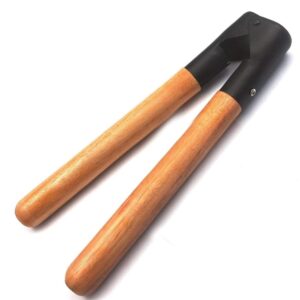
Where We Serve
Fizza Surgical exports to 50+ countries. Browse our country-specific pages with local regulatory guidance and pricing: