Chiropody Instruments: Nippers, Blacks Files and Rasps
Chiropody instruments explained: toenail nippers, Blacks files, rasps and scalpels, plus how to build and sterilise a routine podiatry set.
| Instrument | Typical length | Main job in a routine appointment |
|---|---|---|
| Heavy-duty toenail nipper (concave or straight jaw) | 14–16 cm | Reducing thickened, dystrophic or fungal nails |
| Fine-point nail nipper | 11–13 cm | Corners, sulci, small and brittle nails |
| Blacks file (double-ended) | 15–17 cm | Smoothing nail edges and clearing the sulcus |
| Foot rasp / nail rasp | 15–18 cm | Reducing nail thickness and plantar callus |
| Scalpel handle No. 3 or No. 4 with blades | 12–13.5 cm | Enucleating corns, debriding callus |
| Excavator / Mitchell’s trimmer | 14–15 cm | Clearing debris from under the free edge |
| Probe and spatula | 14 cm | Assessing the sulcus, lifting the nail plate edge |
That table is, more or less, the tray a podiatrist lays out for every general foot-care appointment. It is not glamorous surgery. It is the work that fills most clinic diaries — elderly patients who can no longer reach their feet, diabetic patients on a three-monthly review, and people whose nails have thickened to the point that household clippers will not close on them.
Because these chiropody instruments are used on nearly every patient, they wear faster than almost anything else in the clinic. This guide goes through each one: how the patterns differ, what separates a good nipper from a poor one, how to build a practical set, and how to keep it sterile between patients. It is written for podiatrists, foot-care nurses, and the procurement staff who buy for them.
Chiropody vs Podiatry: Why the Names Overlap
In the UK and much of the Commonwealth, “chiropodist” and “podiatrist” describe the same profession; podiatrist is now the protected title in the UK. Catalogues still use both words, so a chiropody nipper and a podiatry nipper are the same instrument. What does differ is scope. General nail and skin care — reducing nails, removing corns, debriding callus — is the core of routine chiropody. Nail surgery for ingrown toenails is a separate, sterile procedure with its own instruments, covered in our ingrown toenail instruments guide.
This article stays with the routine tray.
Toenail Nippers: The Workhorse
A toenail nipper is a compound-cut plier with sharpened jaws that meet (end-cutting) or pass slightly (side-cutting) along their length. Unlike a cuticle nipper, it has to cut through a nail plate that may be 3–5 mm thick in onychauxis and considerably more in onychogryphosis (“ram’s horn” nail).
Jaw shapes
- Straight jaw — cuts a straight line across the nail. The standard for routine reduction and the shape most guidelines prefer, since cutting straight across helps avoid creating a spike that grows into the sulcus.
- Concave (curved) jaw — follows the natural curve of the nail. Useful on small toes and involuted nails, but take care not to cut the corners too deep.
- Fine or pointed jaw — narrow tips for working into the sulcus, removing small spicules and trimming very small nails.
- Heavy-duty or “thick nail” nipper — longer handles (15–16 cm), shorter and deeper jaws, more leverage. The tool for dystrophic and fungal nails.
Springs and joints
Nearly all podiatry nippers are spring-loaded so they reopen on release. The two common designs are the single leaf spring and the double (barrel) spring. Double springs give a smoother, more even return and are easier on the hand over a full clinic list. Check that the spring is riveted or screwed securely; springs that pivot loose are the most frequent failure we see in returned instruments.
The joint is either a box joint, where one arm passes through a slot in the other, or a lap (screw) joint. Box joints are more rigid and stay aligned longer under the heavy loads of thick-nail cutting. Lap joints are easier to make and can be tightened, but they loosen over time. For a heavy-duty nipper, a box joint is worth paying for.
What a good jaw looks like
Close the nipper and hold it up to a light. On an end-cutting nipper, the blades should meet cleanly along their full length with no light showing through. Test on a piece of thin paper: the tips should cut cleanly, not fold it. Jaws should be hardened to roughly 50–54 HRC — hard enough to hold an edge on keratin, not so hard that they chip when they meet a calcified nail.
Look for a lock or catch on the handles. It keeps the jaws closed in the autoclave pouch, protects the edges, and stops the tips cutting through the packaging.
Blacks Files and Nail Files
The Blacks file is a narrow, double-ended file — typically one end straight, one slightly angled — used to smooth the cut nail edge and clear debris and small spicules from the sulcus. Its narrow profile, often 2–3 mm wide at the working end, gets into places a normal nail file cannot reach.
Useful variations include:
- Straight and angled ends — the most common combination.
- Fine and coarse cut — fine for the sulcus and thin nails, coarse for reducing edges.
- Single-ended Blacks file with handle — preferred by some practitioners for extra control.
For general nail filing, the choice between cut-tooth stainless and diamond-coated files is covered in detail in our professional nail files guide. Diamond coating cuts faster and more evenly but wears off with aggressive reprocessing; cut stainless teeth last longer if the file is not used as a lever.
Foot Rasps and Callus Files
Rasps are the coarse end of the filing family. A podiatry rasp usually has a flat, slightly curved or paddle-shaped working surface with raised teeth. It is used to reduce the thickness of a dystrophic nail after nipping, and on plantar callus alongside or instead of a scalpel.
When choosing rasps, check three things:
- Tooth pattern — cross-cut or single-cut teeth that clear debris as they cut. Teeth that clog quickly heat the nail and are uncomfortable for the patient.
- One piece or joined — rasps made from a single piece of stainless are easier to clean than those with a handle crimped or glued on.
- Reprocessing — every rasp in a reusable set must survive the washer-disinfector and autoclave. Rasps with plastic or wooden handles usually cannot, which pushes clinics towards single-use emery or disposable files for callus.
Many clinics now use motorised nail drills for heavy reduction. Hand rasps remain in the kit for domiciliary visits, patients who cannot tolerate drill vibration or dust, and anywhere electricity or dust extraction is not practical.
Scalpels for Corns and Callus
Corn enucleation and callus debridement are scalpel work. The standard podiatry combination is a No. 3 handle with a No. 15 or No. 10 blade, or a No. 4 handle with a No. 20-series blade for larger areas of callus. Some practitioners prefer the small, rounded No. 15 for enucleating a hard corn and the broader No. 10 for sweeping callus reduction.
A reusable stainless handle with single-use sterile blades is the norm. Blade sizes and handle compatibility are explained in our scalpel handle and blade size guide. Handles should have a clear laser-marked size and a knurled or ribbed grip — the blade angle in corn work is shallow and the hand position is often awkward.
Always use a blade remover or a sharps container designed for blade removal. Removing blades with fingers remains one of the most common causes of sharps injury in podiatry clinics.
The Small Supporting Instruments
Excavators and nail cleaners
A double-ended excavator — sometimes sold as a Mitchell’s trimmer or nail cleaner — has a small, spoon-shaped end and a flat or chisel end. It clears debris from under the free edge and from the sulcus, and lifts the nail edge so the nipper can be placed accurately.
Probes
A blunt probe is used to check the sulcus for hidden spicules, debris or tenderness before and after cutting. A ball-ended probe is safer than a sharp one in patients with poor sensation.
Tissue nippers and forceps
Small tissue nippers remove loose skin tags and hard skin at the nail folds. Fine dressing or Adson-type forceps help with dressings and removing debris. These are the same patterns found on a cuticle tray — see our cuticle nipper and extractor guide for the finer variants.
Building a Practical Chiropody Instrument Set
Most clinics work with individually packed sets so that each patient gets a complete, sterile tray. A typical routine set looks like this:
| Item | Quantity per set | Notes |
|---|---|---|
| Heavy-duty or straight-jaw toenail nipper | 1 | Box joint, double spring, lock |
| Fine-point nail nipper | 1 | For corners and small toes |
| Blacks file | 1 | Straight and angled ends |
| Rasp or foot file | 1 | All-metal if reprocessed |
| Scalpel handle No. 3 | 1 | Blades added from sterile packs |
| Excavator / Mitchell’s trimmer | 1 | Double-ended |
| Probe | 1 | Ball end preferred |
| Dressing forceps | 1 | Optional in some clinics |
How many sets? Count the patients seen in the busiest single session, add enough to cover the sterilisation cycle time, and add a margin for instruments out for repair. A clinic seeing 16 patients a day, with a four-hour turnaround through washer and autoclave, usually needs about 20–24 complete sets. Domiciliary services need more, because sets travel and are returned for processing at the end of the day rather than between visits.
For the full chiropody instrument set, standardise patterns across all sets. When every set uses the same nipper, practitioners do not have to adjust between patients and the reprocessing team can check completeness at a glance.
Diabetic Foot Considerations
Patients with diabetes, peripheral arterial disease or neuropathy make up a large share of routine podiatry caseloads. They have less margin for error: a small cut from a nipper tip or an over-aggressive rasp can become an ulcer.
- Use nippers with fine, well-aligned tips so cuts are controlled and shallow.
- Avoid cutting down into the sulcus; file the edge smooth instead.
- Replace or resharpen nippers as soon as the edge starts to tear rather than cut. A dull nipper crushes the nail and forces the practitioner to twist, which is where accidents happen.
- Inspect instruments for burrs after every cycle. A burr on a rasp or file is enough to break fragile skin.
Instrument quality is not a luxury in this population. It is part of clinical risk management.
Materials and Manufacturing Standards
Quality chiropody instruments are made from martensitic stainless steel — typically AISI 420 for nippers and cutting edges, which can be hardened to hold an edge, and AISI 410 or 420 for files and handles. The steel grades used in surgical instruments are explained in our stainless steel grades guide.
Points to check on the specification sheet or at inspection:
- Steel grade stated, not just “surgical stainless”.
- Hardness of cutting jaws, usually in the 50–54 HRC range for nippers.
- Passivation after final polishing, to restore the chromium oxide layer.
- Finish — satin or matt finishes reduce glare under clinic lights; mirror finishes show corrosion earlier, which some clinics prefer for inspection.
- Traceability marking — laser-etched reference and lot number so a faulty batch can be traced.
- Regulatory status — reusable podiatry instruments are Class I medical devices in the EU; the manufacturer should work to ISO 13485 and supply a declaration of conformity. Fizza Surgical’s certifications are listed on our site.
Cleaning, Sterilisation and Care
Every item on a chiropody tray contacts skin, nail and often blood. Reusable instruments should be cleaned, disinfected and sterilised between patients, following the same sequence used in any CSSD.
- Point-of-use care. Remove nail debris and keep instruments moist until they reach reprocessing; dried keratin is hard to remove from nipper jaws and file teeth.
- Cleaning. Open nippers fully. Use a washer-disinfector or ultrasonic cleaner — see our ultrasonic cleaning guide — followed by thorough rinsing.
- Inspection. Look for debris in joints, springs and file teeth, check jaw alignment, and check for corrosion or burrs.
- Lubrication. Apply a water-soluble instrument lubricant to joints and springs.
- Packing. Pack sets in pouches or wrapped trays, nippers held open slightly or with the lock on the first catch.
- Sterilisation. Steam sterilise at 134 °C for at least 3 minutes (or per local guidance) in a vacuum autoclave suitable for wrapped instruments.
Nippers are usually the first instruments to be sent for resharpening, typically after several hundred cycles depending on use and nail thickness. A good supplier can resharpen and realign rather than replace. Files and rasps usually cannot be resharpened and are replaced when they stop cutting well.
Buying Checklist
- Box-joint, double-spring nippers for heavy-duty use; fine nippers for detail work.
- All-metal files and rasps if the set is reprocessed.
- Laser-marked reference codes so worn items can be matched exactly.
- A resharpening or repair service, with turnaround time stated.
- Consistent patterns across all sets.
- Documentation: ISO 13485 certificate, CE declaration of conformity, and reprocessing instructions.
Fizza Surgical makes podiatry nippers, files and related beauty and foot-care instruments in Sialkot. Browse the beauty and foot-care instruments range or ask for a quote for complete chiropody instrument sets packed to your clinic’s specification.
Frequently Asked Questions
What instruments are in a basic chiropody kit?
A basic routine kit usually contains a toenail nipper, a fine nail nipper, a Blacks file, a rasp or foot file, a No. 3 scalpel handle for corns and callus, an excavator and a probe. Clinics often add dressing forceps and tissue nippers.
What is a Blacks file used for?
A Blacks file is a narrow, double-ended file used to smooth the cut edge of a nail and to clear debris or small spicules from the nail sulcus. Its thin profile reaches areas that ordinary nail files cannot.
Which toenail nippers are best for thick nails?
Choose heavy-duty nippers around 15–16 cm long with short, deep jaws, a box joint and a double spring. The extra leverage reduces the force needed on thickened or fungal nails and keeps the jaws aligned.
Can chiropody instruments be autoclaved?
Yes, all-stainless chiropody instruments can be steam sterilised after cleaning. Instruments with plastic or wooden handles, and most emery files, cannot, and are usually treated as single-use.
How often should podiatry nippers be sharpened?
Resharpen when the jaws start to tear or crush the nail instead of cutting cleanly. In a busy clinic, that is typically after several hundred uses, depending on nail thickness and care during reprocessing.
Need precision surgical instruments?
Configure complete instrument sets with our team — ISO 13485 certified, CE marked, made in Sialkot since 1980.
Related Guides
View all articles →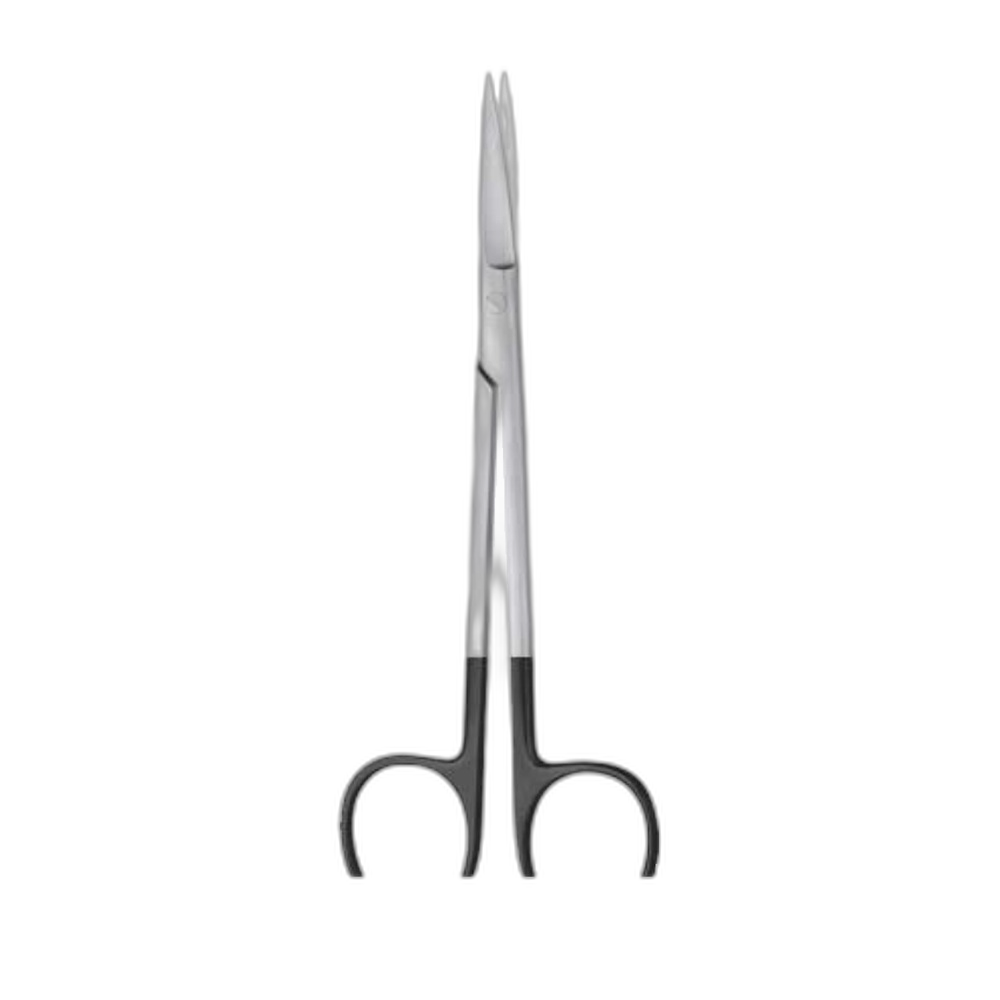

Where We Serve
Fizza Surgical exports to 50+ countries. Browse our country-specific pages with local regulatory guidance and pricing: