Lotion Bowls and Basin Stands: Ward Holloware Guide
Lotion bowl sizes, rim diameters and single vs double basin stands: how to match bowl to ring, choose 304 or 316L steel and reprocess ward holloware.
A scrub nurse setting up for a laparotomy pours warm saline into a deep steel bowl on a ring stand beside the back table. Twenty minutes later the surgeon asks for a wash-out, and that bowl is emptied, refilled and emptied again. Nobody thinks about it. That is the point: a good lotion bowl and a stable basin stand are equipment you only notice when they fail, when a stand tips on a sloping floor, a bowl rocks in an oversized ring, or a dented rim catches a glove.
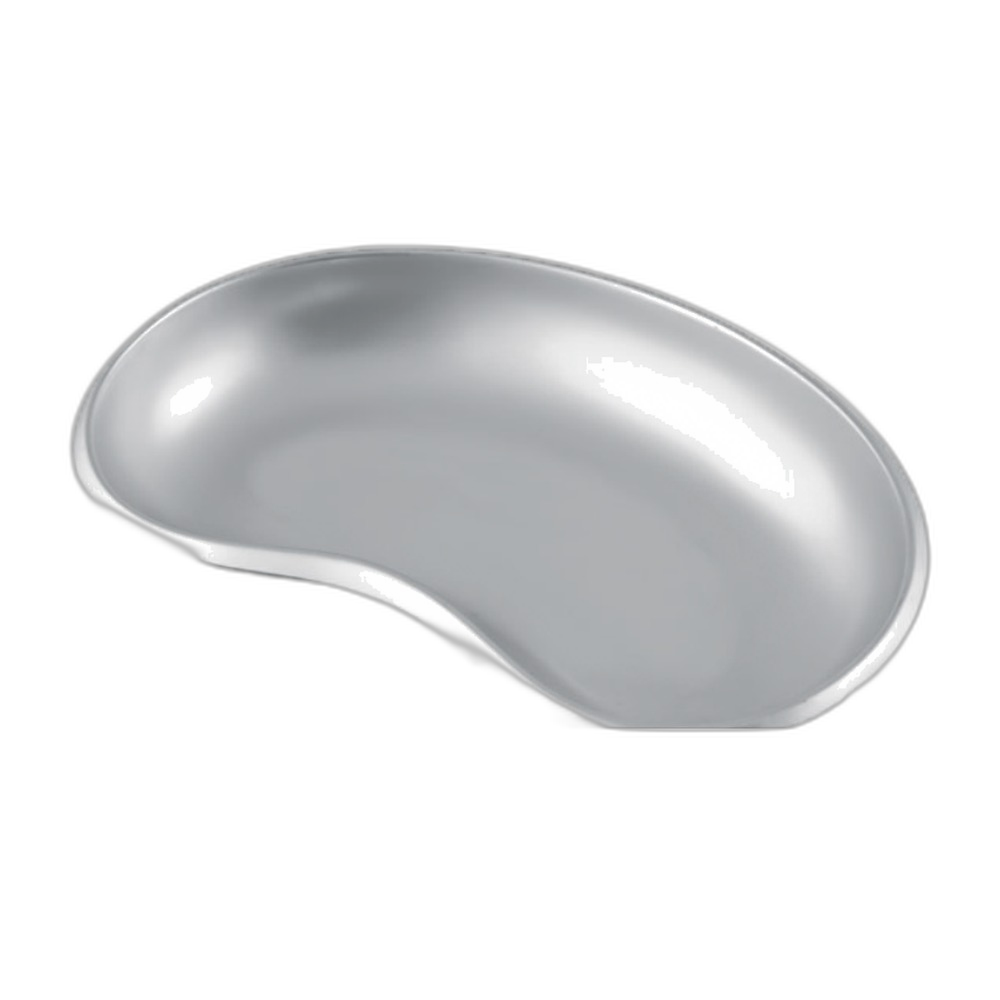
This guide covers the two together, because they are bought together and fail together. If you need the wider family of hospital bowls, including gallipots, dressing jars and emesis basins, our medical bowls and basins buying guide is the broader reference.
What a Lotion Bowl Actually Is
Catalogue naming is inconsistent. In most UK and Commonwealth hospitals, a lotion bowl is a deep, round, seamless stainless bowl used to hold irrigation fluid, antiseptic or saline during a procedure or a ward dressing. Some suppliers apply the same name to an oval basin. Before you compare quotes, confirm the shape, the capacity in millilitres, and the rim diameter, because two items called “lotion bowl 2 litre” from different factories can differ by 30 mm across the rim.
Three features separate a theatre-grade bowl from a kitchen-grade one:
- Seamless deep drawing. The bowl is pressed from a single disc of sheet steel. No welded seams, so nothing to harbour residue in the washer-disinfector.
- Rolled or beaded rim. A rolled edge stiffens the bowl against denting and removes the sharp cut edge that tears gloves.
- Graduation marks (optional). Pressed internal graduations in 100 or 250 ml steps let staff measure irrigation volume without a separate jug.
Common Sizes and Where They Are Used
| Nominal capacity | Typical rim diameter | Typical depth | Common use |
|---|---|---|---|
| 500 ml | 140–150 mm | 55–65 mm | Antiseptic for skin prep, small dressings |
| 1 litre | 170–185 mm | 70–80 mm | Ward dressing trolley, minor procedures |
| 2 litre | 210–230 mm | 85–95 mm | Theatre irrigation, catheterisation packs |
| 3 litre | 250–265 mm | 95–110 mm | Abdominal wash-out, orthopaedic irrigation |
| 4–6 litre | 290–330 mm | 110–130 mm | Basin-stand bowls, scrub and hand basins |
Dimensions vary by pattern, so treat this table as a starting point for a specification, not a standard. What matters most is that the bowl you order actually fits the ring of the stand you already own.
Basin Stands: Single, Double and Mobile
A basin stand (also called a bowl stand or solution stand) is a tubular stainless frame with one or two rings that hold a bowl at working height, usually between 750 and 900 mm. There are three common configurations.
Single basin stand
One ring, a central column and a weighted or tripod base. It sits at the foot of the operating table or beside a dressing bed. Light, easy to move, and the cheapest option, but also the most prone to tipping if someone leans a full bowl against the rim.
Double basin stand
Two rings side by side on a rectangular frame, often on four castors. One bowl holds clean solution and the other takes used swabs or rinse water. This is the standard layout in maternity units and many theatres, because it keeps clean and dirty fluid physically apart. That separation is the same principle we apply to factory layout: clean work never shares space with dirty work.
Mobile basin stand with shelf
A double stand with a lower shelf for spare bowls, a kick bucket or sterile packs. Useful in day-surgery rooms where floor space is tight. It is heavier and costs more, so only specify it where the shelf will actually be used.
Getting the Fit Right: Ring Diameter Versus Bowl Rim
The most common complaint about basin stands is a poor fit between ring and bowl. A bowl that drops too deep into an oversized ring wobbles. One that sits too high on an undersized ring can tip when knocked.
The rule of thumb is that the inner ring diameter should be roughly 15–25 mm smaller than the bowl’s rim diameter, so the bowl hangs from its rim with about a third of its depth above the ring. When buying stands and bowls from different suppliers, send the bowl’s rim diameter with the stand order and ask for the ring to be sized to it. Better still, buy the stand and its bowls as a matched set.
Look for these details on the stand itself:
- Base footprint. A tripod or four-leg base wider than the ring, ideally 400 mm or more across for a single stand.
- Castors. 50–75 mm swivel castors, with at least two braked on a double stand. Anti-static wheels matter in theatres.
- Welds. TIG-welded joints ground smooth. Rough welds trap fluid and start to rust.
- Ring buffers. Rubber or silicone buffers on the ring quieten the bowl and stop metal-on-metal scratching.
Material: 304 Versus 316L
Most hospital holloware is made from AISI 304 (18/8) austenitic stainless steel. It is non-magnetic, deep-draws well and handles routine washer-disinfector cycles and steam sterilization at 134 °C. For bowls that will hold chlorine-based antiseptics or hypertonic saline for long periods, 316L is worth the premium, because its molybdenum content improves resistance to pitting from chlorides. We explain the trade-off in detail in why 316L stainless steel is used for hospital holloware.
Stand frames are almost always 304 tube, usually 19–25 mm in diameter. Chrome-plated mild steel stands are still sold cheaply. Avoid them: the plating chips at the welds and the frame rusts from the inside within a year or two of wet-area use.
Finish matters as well. Mirror-polished bowls look good on day one, but they scratch visibly and reflect theatre lights into the surgeon’s eyes. A satin or matt finish hides wear and cuts glare. Most theatre departments now specify satin for anything that sits near the operating field.
Reprocessing and Care
A lotion bowl is a reusable medical device and is reprocessed like one. The cycle is usually manual or automated washing, thermal disinfection, drying, and then steam sterilization when the bowl goes into a sterile pack. Some practical points:
- Load bowls inverted or on edge in the washer so water drains. A bowl loaded upright fills with water and comes out wet.
- Do not stack bowls tightly in a sterilization pack without a separator or wrap. Nested bowls trap air and condensate, which leads to wet packs.
- Rinse off saline and povidone-iodine promptly. Dried chloride residue is the main cause of pitting on holloware.
- Wipe stands down with a neutral detergent. Chlorine solutions above the concentration the manufacturer allows will eventually attack the welds.
If you also run IV stands in the same wards, our drip stand specification guide uses the same frame-quality checks.
A Short Buying Checklist
- Specify the bowl by capacity and rim diameter, not by name alone.
- Confirm the stand’s ring diameter matches the bowl rim, or buy them as a set.
- Specify 304 as the default and 316L where strong chloride antiseptics are used.
- Ask for seamless deep-drawn bowls with a rolled rim.
- Choose a satin finish for theatre use.
- For mobile stands, confirm the castor size and that two of them are braked.
- Ask for a material certificate (mill test certificate) for the steel.
Fizza Surgical manufactures hospital holloware in Sialkot to ISO 13485 and supplies hospitals and distributors worldwide. See the full range in our hospital holloware catalogue, or contact our team for a current quote on bowls and matching stands.
Frequently Asked Questions
What is a lotion bowl used for in hospitals?
A lotion bowl holds irrigation fluid, saline or antiseptic during surgery, wound dressings and catheterisation. It is usually a deep, round, seamless stainless bowl between 500 ml and 3 litres, and it is reprocessed and sterilized between patients.
What is the difference between a single and a double basin stand?
A single stand holds one bowl and is light and easy to move. A double stand holds two bowls side by side, usually on castors, so clean solution and used fluid can be kept apart. Theatres and maternity units usually prefer the double layout.
Should hospital bowls be 304 or 316L stainless steel?
304 is standard for most holloware and handles routine washing and autoclaving. 316L resists chloride pitting better, so it is the better choice for bowls that regularly hold hypertonic saline or chlorine-based antiseptics.
Can lotion bowls be autoclaved?
Yes. Stainless lotion bowls are routinely steam sterilized at 121–134 °C. Load them inverted or on edge and avoid tight nesting so condensate can drain and the pack dries fully.
Need precision surgical instruments?
Configure complete instrument sets with our team — ISO 13485 certified, CE marked, made in Sialkot since 1980.
Related Guides
View all articles →
Where We Serve
Fizza Surgical exports to 50+ countries. Browse our country-specific pages with local regulatory guidance and pricing: