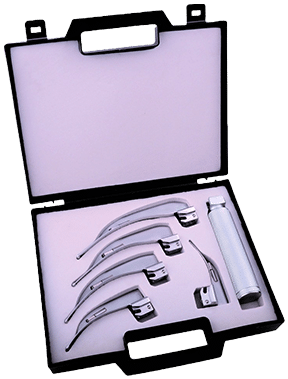
There’s a persistent myth in the global surgical instrument market: Pakistani-made instruments are cheap because they’re low quality. This narrative is repeated by Western brand sales teams, medical device trade publications sympathetic to EU/US manufacturers, and Western distributors who want to protect their import margins. The reality, as any engineer who’s toured the Sialkot surgical cluster knows, is different.
This article addresses the quality-vs-price question directly, with the facts hospital procurement teams and distributors need to evaluate Pakistani-sourced surgical instruments honestly.
The Sialkot surgical manufacturing cluster — facts
Sialkot is a city in Punjab province, Pakistan, with a surgical instrument manufacturing industry dating to the British Raj era. The modern cluster represents:
- Over 2,500 registered manufacturers in the surgical instrument industry
- 3rd largest global exporter of surgical instruments by volume (after Germany and USA)
- Approximately $500 million annual exports in medical/surgical instruments
- 150,000+ workers directly employed in the cluster
- Concentration within a 50km radius — creating deep supplier specialization
Sialkot’s scale and specialization is comparable to Tuttlingen in Germany, Solingen’s cutlery cluster, or Shenzhen’s electronics cluster. Geographic concentration of specialized suppliers produces both efficiency and accumulated expertise — the same dynamic that made Silicon Valley.
Quality standards: Sialkot vs Tuttlingen
Quality laryngoscope manufacturers in Sialkot and Tuttlingen work to identical technical standards:
| Standard | Tuttlingen manufacturer | Quality Sialkot manufacturer |
|---|---|---|
| ISO 13485:2016 Quality Management | Required | Required |
| CE Marking (EU) | Required | Required |
| FDA Registration (US) | Required | Required |
| ISO 7376 Green Spec | Required for fiber optic | Required for fiber optic |
| AISI 420 stainless steel | Standard | Standard |
| Autoclave rated 134°C | Standard | Standard |
| Mill certificates for steel | Provided | Provided (by quality manufacturers) |
The technical ceiling is the same. The difference is cost structure, not quality potential.
Why Sialkot pricing is 30–50% lower
The cost differential comes from three legitimate factors:
Labor cost differential
Skilled Pakistani surgical instrument workers earn approximately 15–25% of their Tuttlingen counterparts’ wages. This is not a quality indicator — skills in Sialkot are typically inherited through multi-generation craftsman families with 30+ years of experience in specific instrument categories.
Supplier cluster efficiency
The concentration of specialist suppliers within Sialkot means that a manufacturer producing laryngoscope blades can source forged blanks, fiber bundles, hook-on mechanisms, and packaging from specialists within a 30-minute drive. This reduces supply chain costs compared to more distributed manufacturing regions.
Currency and overhead structure
Facility costs, utilities, and overhead are lower in Pakistani Rupees than in Euros or Dollars. These costs flow through to final pricing.
None of these factors compromise quality. A laser-marked, mill-certified AISI 420 stainless steel blade produced in Sialkot is metallurgically identical to one produced in Tuttlingen.
Where the myth comes from
The “cheap Pakistani instruments = low quality” narrative has three sources:
1. Bottom-tier Pakistani manufacturers do exist
Among Sialkot’s 2,500 manufacturers, some produce cheap uncertified instruments for low-budget local markets. These manufacturers lack ISO 13485, use sub-spec steel, and skip quality controls. Their products are genuinely poor quality — and they’re also priced much lower than the quality manufacturers.
When Western buyers encounter these bottom-tier products (often via Alibaba searches filtered for lowest price), they generalize to all Pakistani manufacturers. This is the source of much misinformation.
2. Branded distributors protect their margins
US and EU distributors typically resell Pakistani-manufactured instruments (often unbranded from Pakistan, then private-labeled by the distributor) at 3–5× their import cost. When hospital buyers discover direct sourcing options, distributors have obvious incentive to discourage this with quality concerns.
3. Historical perception lag
Sialkot’s quality renaissance is recent — the major investments in ISO 13485 certifications, modern CNC equipment, and regulatory compliance systems happened primarily in the 2000s–2010s. Older generations of Western procurement staff may be evaluating Sialkot based on 1990s reality rather than 2026 reality.
How to distinguish quality Sialkot manufacturers from bottom-tier
Not every Pakistani manufacturer is equal. The same indicators that apply globally apply within Sialkot:
- ISO 13485 certification issued by recognized bodies (SGS, TÜV, Intertek, BSI) — not dubious domestic bodies
- CE Marking with a verifiable Notified Body number
- FDA Registration verifiable in the FDA database
- Export shipment history on Volza or Panjiva — real manufacturers show thousands of export records
- Physical factory with engineering staff — not a mailbox or a warehouse
- Sample policy — free samples for qualified distributors
- Regulatory documentation — technical files, mill certificates, test reports
- Reference customers — willing to name distributors in your market
Apply these filters and the top-tier Sialkot manufacturers stand out clearly. Fizza Surgical, along with a small number of other established Sialkot manufacturers, meets all of these criteria.
The honest value proposition
Direct sourcing from quality Sialkot manufacturers delivers:
- Equivalent quality to branded Tuttlingen/German manufacturers for the same specifications
- 30–50% lower cost than branded equivalents at equivalent specifications
- Full regulatory documentation — CE, FDA, ISO 13485, ISO 7376 as applicable
- OEM flexibility — custom branding, packaging, SKU systems from 100-unit orders
- Direct manufacturer relationship — no distributor layer, no inventory markup
What you give up: the brand equity of a Welch Allyn or Heine label. For hospitals and distributors who value the actual instrument performance over the brand logo, direct Sialkot sourcing is the economically rational choice.
Fizza Surgical — an example of quality-tier Sialkot manufacturing
Fizza Surgical has been manufacturing surgical instruments since 1985. Our qualifications reflect the broader reality of quality-tier Sialkot manufacturing:
- ISO 13485:2016 certified by SGS — verifiable in the SGS registry
- CE Marked with EU Notified Body documentation
- FDA Registered establishment
- ISO 7376 Green Spec compliant on all fiber optic products
- AISI 304/420 stainless steel with mill certificates per batch
- Export shipments to 50+ countries — verifiable on Volza and Panjiva
- On-site engineering team and QC lab
- Free sample policy for qualified distributors
- Full regulatory documentation packages available
The quality ceiling of Sialkot manufacturing is defined by manufacturers like Fizza Surgical who meet every international standard while offering the cost advantages of the Pakistani manufacturing ecosystem.
Browse our laryngoscope range, download our complete catalogue, or request a factory quote. We welcome technical due diligence and factory visits.
Related reading
- How to Choose a Laryngoscope Manufacturer
- OEM Laryngoscope Manufacturing Buyer’s Guide
- ISO 7376 Laryngoscope Green Spec Explained
Where We Serve
Fizza Surgical exports to 50+ countries. Browse our country-specific pages with local regulatory guidance and pricing: