Loaner Instrument Set Management: Hospital Protocol Guide
Loaner instrument sets protocol for hospitals: 48/72-hour cut-offs, vendor IFUs, receipt inventory, AAMI ST79 reprocessing and when to buy instead.
Ask a Sterile Processing manager which trays cause the most trouble and the answer is rarely the hospital’s own. It is the four-container spinal set that arrived at 6 p.m. for a 7:30 a.m. case, with no inventory sheet, one missing screwdriver shaft, and a manufacturer’s IFU calling for a cycle the department has never validated.
Loaner instrument sets are borrowed from a device company, usually because they are tied to a specific implant system. Orthopaedic, spinal, trauma and neurosurgical trays make up most of them. The hospital uses them for one case, or a few, and sends them back. The arrangement keeps capital costs down, but it moves a set the department does not know into a process built around sets it does.
This guide sets out a working protocol from request to return, with the timelines, paperwork and decision points that keep borrowed trays from becoming the weakest link in the theatre schedule.
Loaner, Consignment and Owned: Getting the Terms Straight
The three categories are often blurred in contracts, which causes arguments later about who pays for a lost instrument.
| Type | Who owns it | Where it lives | Typical use |
|---|---|---|---|
| Loaner set | Device company | Arrives per case, leaves after | Implant-specific systems, low-volume procedures |
| Consignment set | Device company | Kept on site long-term | High-volume implant systems; hospital pays for implants used |
| Owned set | Hospital | Permanent inventory | Basic and general trays, approach instruments, retractors |
Consignment trays should be handled like owned trays once they are in the building: tracked, counted, and on the same maintenance schedule. Loaners need their own lane, because the department sees each one as new every time.
The Timeline: Why 48 Hours Is the Minimum
Most hospital policies in the US, UK and Australasia converge on the same rule: loaner instrument sets must be in Sterile Processing at least two working days before the case. First-time sets, meaning a system the department has never processed, usually need three working days. Policies at large US academic centres commonly state 48 and 72 hours respectively.
The reason is arithmetic. A large orthopaedic set can take 60 to 90 minutes to inventory on receipt, a full washer-disinfector cycle, inspection and assembly, then a sterilization cycle that may run 30 minutes or more plus drying, then cooling before it can be handled. Multiply that by four or six containers and the window closes fast.
| Stage | Typical time | Notes |
|---|---|---|
| Receipt and inventory check | 30–90 min per set | Against the vendor’s itemised list; photograph missing items |
| Manual pre-clean and washer-disinfector | 60–120 min | Cannulated items and lumens need brushing before the washer |
| Inspection and assembly | 30–60 min | Function check, damage check, count |
| Sterilization and drying | 45–90 min | Extended cycles add time; some IFUs require longer drying |
| Cooling | 30–60 min+ | Heavy containers hold heat; handling too early risks wet packs |
| Total (one set, no queue) | ~4–7 hours | Before the set waits for washer and sterilizer slots |
Late arrivals are what push departments toward immediate-use steam sterilization. Current guidance is clear that IUSS should not be used for implants or as a routine workaround for poor scheduling, and complex loaner trays are the wrong candidates for it anyway. The better fix is a policy that cancels or reschedules a case when the tray misses its cut-off, applied consistently enough that vendors believe it.
What the Vendor Must Send With the Set
A loaner tray that arrives without documents is not ready to process, however urgent the case. The minimum package:
- Itemised inventory list, ideally with a photograph of each layer, listing every instrument and its position.
- Manufacturer’s instructions for use (IFU) for cleaning, inspection and sterilization, matched to the exact system and revision.
- Sterilization parameters, including any extended exposure or extended drying times, and the container system validated with them.
- Tray weight. AAMI ST79 and AAMI ST77 point to 11.3 kg (25 lb) as the practical upper limit for a single container, including the container itself. Heavier trays are harder to dry and harder to lift safely.
- Implant information: an implant list with lot numbers and sizes, so the hospital can record what goes into the patient.
- Decontamination status from the previous user, although this never replaces processing on receipt.
Departments that accept loaners regularly should keep an IFU library on file, by vendor and system, and check the revision on every arrival. IFU changes are a common audit finding: the vendor updates the drying time and nobody tells the department.
Receiving: Inventory Before Anything Else
The inventory check on arrival protects the hospital from a missing-instrument dispute when the tray goes back. It also catches the problem while there is still time to get a replacement sent.
Good practice at receipt:
- Log the time of arrival, vendor, representative, case, surgeon and number of containers.
- Open each container in the decontamination area and check against the vendor’s list. Do this before cleaning, so any missing items are recorded as missing on arrival.
- Note damaged, stained or non-functioning instruments, with photographs.
- Both the technician and the vendor representative sign the receipt sheet, or the vendor is notified in writing within an agreed time.
- Attach a tracking label or barcode so the set appears in the department’s tracking system for its stay.
If your department already uses barcode or RFID tracking for owned stock, add loaners to it under a temporary record rather than tracking them on paper. Our article on hospital instrument inventory management covers how to set this up without creating a second system.
Process It as Dirty, Whatever the Label Says
ANSI/AAMI ST79 is explicit that loaner items must be cleaned and sterilized by the receiving facility according to the manufacturer’s IFU before use, even if they arrive labelled as cleaned or sterile. The department cannot verify what happened at the last hospital, in the van, or in the vendor’s warehouse.
Several features make loaner trays harder to clean than standard general surgery sets:
- Cannulated instruments such as reamers, drill guides and cannulated screwdrivers, which need brushing with the correct brush diameter before the washer. Bone debris packed into a cannula will not come out in an automated cycle.
- Modular and multi-part instruments that must be disassembled. If the IFU says take it apart, the washer will not reach the inside otherwise.
- Dense layouts. Trays packed so tightly that spray arms cannot reach every surface. Some IFUs require items to be removed from the tray for washing.
- Mixed materials: stainless steel, anodised aluminium, silicone handles and polymer guides in one set, each with its own chemistry limits.
Check that the washer-disinfector cycle meets the thermal disinfection the IFU expects. Our explainer on the washer-disinfector A0 value shows how to read that requirement against your cycle settings.
Sterilization: The Extended Cycle Problem
Large orthopaedic and spinal loaner sets often carry IFUs that call for parameters outside a department’s standard cycles: longer exposure times at 132 °C or 134 °C, extended drying, or a specific container. A standard pre-vacuum cycle run on a tray validated for an extended one is an IFU deviation, even if the load passes its indicators.
Practical steps:
- Programme validated extended cycles in advance for the systems you receive regularly, with the sterilizer manufacturer’s agreement.
- Use a process challenge device with a biological indicator for loads containing implants, and quarantine implants until the BI result is known, as ST79 recommends. Our guide to chemical and biological indicators explains the classes.
- Check for wet packs on every heavy container. Water pooling in containers is common with dense metal loads and usually points to load weight, cooling time, or the drying phase.
In Theatre and After the Case
The count procedure for loaner instruments should be the same as for owned trays, including small parts such as drill bits, screwdriver tips and depth gauges. Scrub teams unfamiliar with a system are more likely to miss a component in a crowded field. The surgical instrument count procedure applies to borrowed sets without exception.
After the case:
- Record implants used against patient, with lot numbers, from the vendor’s implant list.
- Send the set to decontamination promptly. Do not let blood dry on instruments while the tray waits for the representative.
- Process the set through cleaning and, if the hospital’s policy requires it, a terminal cycle, before release.
- Re-inventory against the original list. Both parties sign.
- Hand over with a decontamination certificate stating the process the set went through.
Never return a loaner tray that went straight from theatre into its shipping case. The next user and the courier are both exposed to whatever was left on it.
Who Is Responsible for What
| Task | Vendor | Hospital SPD | Theatre / OR |
|---|---|---|---|
| Delivery by cut-off time | ✔ | ||
| Inventory list, IFU, weights | ✔ | ||
| Receipt inventory and sign-off | ✔ (co-sign) | ✔ | |
| Cleaning, inspection, sterilization | ✔ | ||
| Counts during the case | ✔ | ||
| Implant recording | ✔ (lot data) | ✔ | |
| Decontamination before return | ✔ | ||
| Return inventory and sign-off | ✔ (co-sign) | ✔ | |
| Replacing missing or damaged items | As set out in the loaner agreement | ||
Put this matrix in the loaner agreement itself. Liability for lost instruments is the clause that gets argued over most, and it is far easier to agree before the first instrument goes missing.
Findings Auditors Raise Most Often
Accreditation surveyors and infection-prevention auditors tend to find the same handful of gaps when they follow a borrowed tray through a department. None of them is exotic, and most come from the pressure of a late delivery rather than from a lack of policy.
- Out-of-date IFU on file. The department processed the set to the last revision it received, not the current one. Ask the vendor to confirm the IFU revision on the delivery note, every time.
- No record that an extended cycle was used. The sterilizer printout shows a standard 4-minute cycle for a tray whose IFU requires longer. Even if the operator selected the right programme, the record has to show it.
- Implants released before the biological indicator result. Early release should be the documented exception, with a reason, never the norm.
- Receipt inventory signed after cleaning. That makes it impossible to prove a missing item was missing on arrival.
- Trays over the weight limit accepted without escalation to the vendor.
- Staff unfamiliar with disassembly. Vendor in-service training is often offered when a new system is introduced and then forgotten. Keep a training record by system and repeat it when staff change.
Each of these is cheap to fix with a checklist at the receiving bench. A single laminated page per vendor system, with the IFU revision, cycle number, weight and disassembly steps, removes most of the guesswork for the technician who meets that tray for the first time at 7 p.m.
Measuring Whether the Process Works
Three or four simple measures, reviewed monthly, show whether a loaner policy is being followed:
- On-time arrival rate by vendor, against the 48/72-hour cut-off.
- Incomplete sets on arrival, as a percentage of sets received.
- IUSS events involving loaner items, which should be zero for implants.
- Cases delayed or cancelled because of loaner issues.
Share the vendor figures with the vendors. Representatives respond to a quarterly scorecard far faster than to complaints from the department.
When to Stop Borrowing and Buy
A loaner programme makes sense for implant-specific instruments: the jigs, trials, inserters and guides that only fit one company’s implant. It makes much less sense for the general instruments that come along in the same containers. Retractors, bone levers, rongeurs, osteotomes, mallets, curettes and bone-holding forceps are common to almost every orthopaedic approach.
Many hospitals find that a large share of each loaner container is generic. Buying a hospital-owned approach tray for those instruments has several effects:
- Fewer containers to wash, inspect and sterilize on every loaner case.
- Lighter vendor trays, closer to the 11.3 kg limit.
- Instruments the team knows, kept in the department’s own maintenance and sharpening cycle.
- Less exposure when a vendor set arrives late or incomplete.
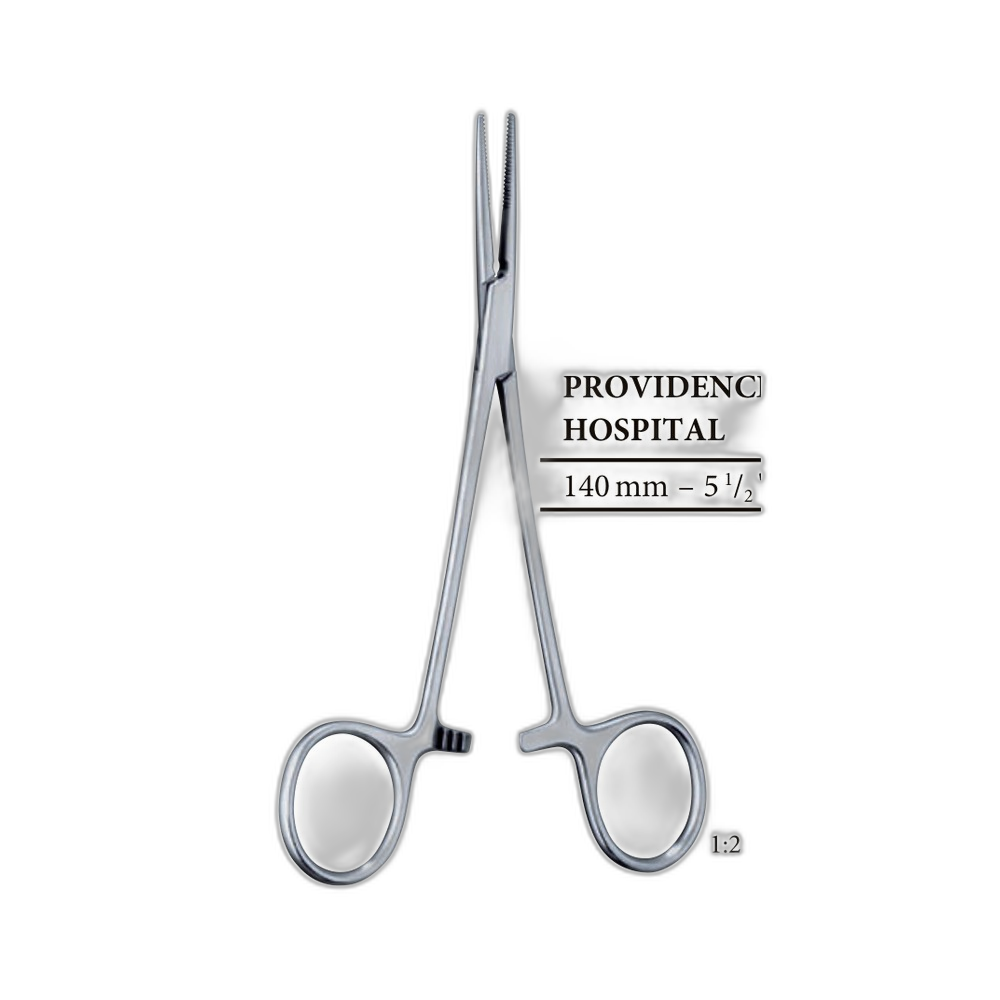
This is where Fizza Surgical comes in. We do not make implant-specific jigs or trials, and our total knee replacement instrument set article draws the same line. What we do supply is the general orthopaedic layer: Hohmann retractors, bone levers, rongeurs, osteotomes, curettes and reduction forceps in AISI 410 and 420 stainless steel, made in Sialkot under ISO 13485 and CE marking. See our bone surgery instruments for the range.
A practical way to decide: take the inventory lists for your three busiest loaner systems and highlight every item that is not unique to the implant. If the same generic items appear in all three, that is your owned approach tray.
Frequently Asked Questions
How far in advance should loaner instrument sets arrive?
Most hospital policies require at least 48 hours before the scheduled case, and 72 hours (three working days) for a system the department has never processed before. That allows time for inventory, cleaning, inspection, sterilization and cooling.
Do loaner sets labelled sterile need to be reprocessed?
Yes. ANSI/AAMI ST79 states that loaner items should be cleaned and sterilized by the receiving facility according to the manufacturer’s IFU before use, regardless of how they arrive.
What is the weight limit for a loaner tray?
AAMI guidance points to 11.3 kg (25 lb) per container, including the container. Heavier trays are harder to dry, more likely to produce wet packs, and present a manual-handling risk.
Can immediate-use steam sterilization be used for a late loaner set?
It should not be used for implants, and it is not a substitute for proper scheduling. Most policies reschedule the case if the set misses the cut-off.
What is the difference between loaner and consignment instruments?
Both belong to the device company. Loaner sets arrive for a specific case and leave afterwards; consignment sets stay on site long-term, and the hospital pays for the implants used.
Need precision surgical instruments?
Configure complete instrument sets with our team — ISO 13485 certified, CE marked, made in Sialkot since 1980.
Related Guides
View all articles →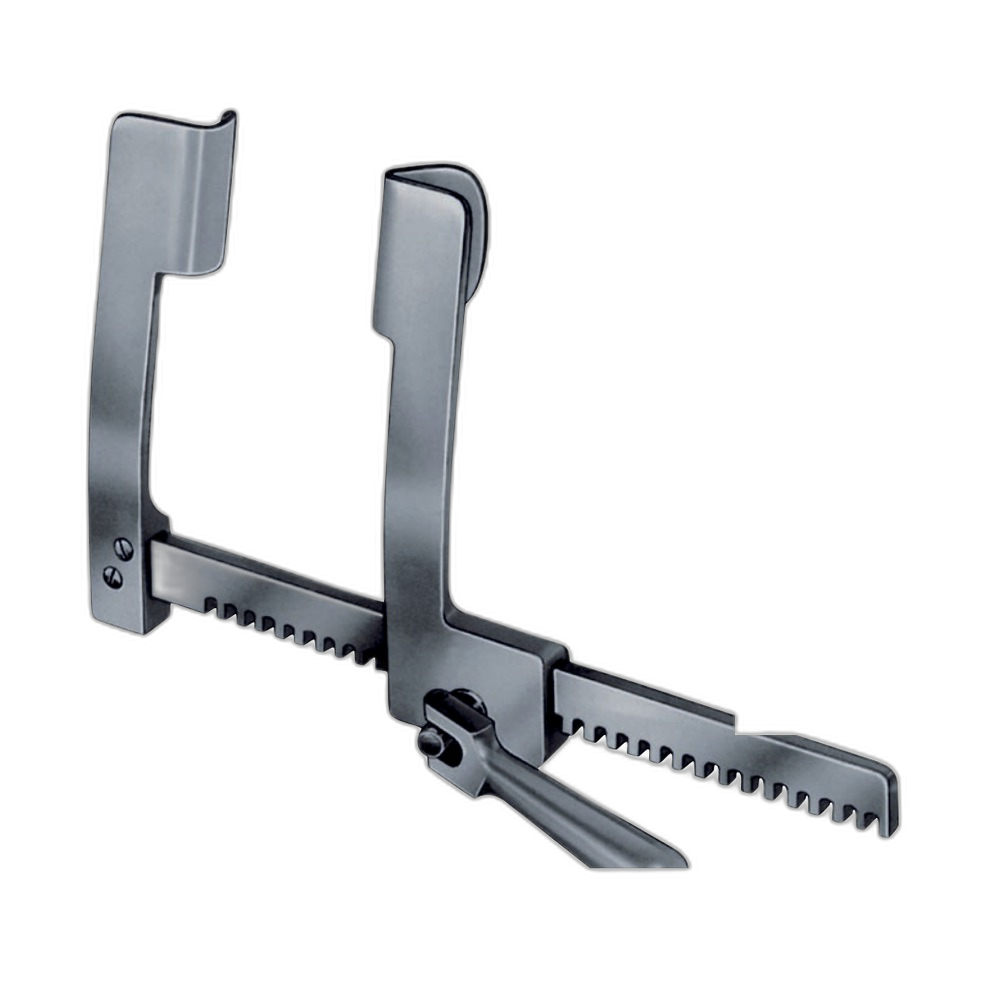
Where We Serve
Fizza Surgical exports to 50+ countries. Browse our country-specific pages with local regulatory guidance and pricing: