Penfield Dissectors: Complete Neurosurgery Instrument Guide
The Penfield dissector explained: what the numbered No. 1-5 set does, its uses in neurosurgery and spine, plus care and sourcing.
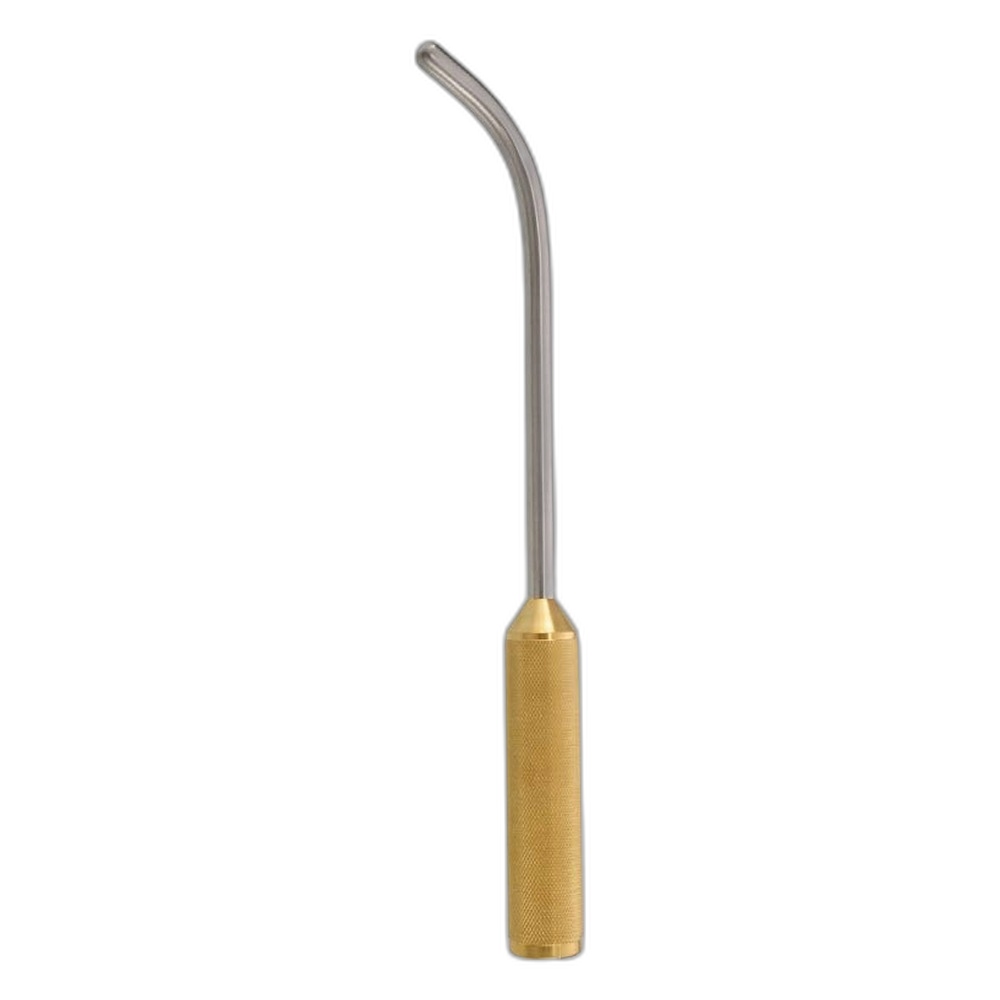 Made in Sialkot · Since 1980
Wilder Penfield mapped the human cortex by stimulating the brains of awake epilepsy patients and asking them what they felt. The instruments he needed for that work — slim, blunt, atraumatic dissectors that could lift tissue off delicate structures without cutting — carry his name to this day. Nearly a century later, the Penfield dissector is still one of the most-reached-for tools on a neurosurgery and spine cart, used by some surgeons for half of a case from opening to closure.
The reason is simple: these are elegant, low-risk instruments. A Penfield does not cut, clamp, or cauterise. It separates. And in surgery around the dura, nerve roots, and vessels, controlled separation is exactly what you want.
The Numbered Set: What Each Penfield Does
Penfield dissectors come as a numbered family. Most sets run #1 through #4, with a #5 added for some spine and skull-base kits. The numbers are not arbitrary sizes — each has a distinct tip geometry for a distinct job.
| Number | Tip Design | Primary Use |
|---|---|---|
| No. 1 | Curved blade one end, sharp curette-like point the other | Dissecting and elevating dura; scraping bone edges |
| No. 2 | Flat, wider blunt blade, gently angled | Blunt dissection and elevating tissue planes |
| No. 3 | Rounded, ball-shaped or flattened tip | Gentle blunt dissection; separating nerve from tissue |
| No. 4 | Double-ended, one flat/one hook-like | Retracting nerve roots; probing and hooking |
| No. 5 | Slim angled dissector | Fine work in deep or narrow corridors |
In practice a surgeon rarely sticks to one. The #1 opens a plane, the #3 develops it bluntly, and the #4 hooks and retracts a root out of harm’s way while a Kerrison undercuts bone behind it. Fluidity between them is why experienced spine surgeons treat the numbered set as a single extended hand.
Where Penfields Earn Their Place
Cranial work. Elevating the dura off the inner table after a craniotomy, developing the plane around a tumour capsule, and packing cottonoids into a resection cavity.
Spine surgery. This is where many Penfields spend their careers. During a laminectomy or decompression, the #4 slips beneath a nerve root to protect it, while the surgeon works around the dura and thecal sac. They are staples of the same trays covered in our spinal fusion instrument set guide.
Microvascular and general dissection. Because they are blunt and controllable, Penfields are used well beyond neurosurgery — separating adhesions and developing planes anywhere a sharp instrument would be too risky.
Specifications and Material
Penfields are typically 18–22 cm long, slim enough to reach a deep corridor without the shaft obscuring the surgeon’s line of sight. They are manufactured from martensitic surgical stainless — commonly AISI 420 — because the working tips need enough hardness to hold their fine profile through repeated reprocessing, while the shaft needs toughness to resist bending. A satin or matte finish is preferred over mirror polish to cut glare under the bright, focused light of a microscope or headlight.
The tip geometry is unforgiving of poor manufacturing. A #3 ball tip that is even slightly rough will drag on the dura instead of gliding; a #1 curette edge that is under-hardened rounds off quickly. This is precision finishing work, held to the corrosion and hardness standards documented under our ISO 13485 quality system.
Penfield vs Freer and Other Elevators
Surgeons new to a spine tray sometimes confuse the Penfield with a Freer elevator, and the two do overlap. The distinction is in the working end and the intent. A Freer is a double-ended elevator with a sharper, more blade-like edge, built primarily for lifting mucoperiosteum and periosteum off bone — it is at home in nasal and ENT work as much as spine. The Penfield family is broader and blunter, designed for a wider repertoire: not just elevating off bone but hooking a nerve root, packing a cottonoid, and developing a soft-tissue plane.
Put simply, a Freer is an elevator that also dissects; a Penfield is a dissector that also elevates. On a busy neurosurgery cart you will usually find both, and experienced surgeons move between them without a second thought. The Penfield’s numbered range simply gives more tip options for the varied, delicate manoeuvres that brain and spine surgery demand.
Handling Mistakes That Ruin a Good Dissector
Because a Penfield looks indestructible, it often gets treated carelessly — and that is exactly how it fails. Three habits shorten a dissector’s working life:
- Using the tip as a lever against bone. A Penfield is for tissue planes, not for prying bone. Levering hard against a lamina bends the shaft and flattens the tip.
- Throwing it loose into a tray. Unprotected tips knock against heavier instruments and pick up burrs that turn an atraumatic glide into a drag on the dura.
- Missing a bent tip on inspection. A slightly bent No. 3 still looks fine to the naked eye but no longer separates cleanly. Magnified inspection every cycle catches it.
A well-made dissector, respected in use, will serve for years. The instrument is simple; the discipline around it is what preserves the performance.
Care and Reprocessing
Penfields are simple to reprocess but easy to damage. The tips must be protected during cleaning and transport — a bent or nicked dissector tip loses the smooth glide that makes it atraumatic. Inspect each tip under magnification after every cycle; look for burrs, flattening, or bending. Because they are solid (non-cannulated) instruments with no box lock, they clean readily, but they should still go through enzymatic soak and ultrasonic cleaning before sterilisation to clear tissue and bone dust from the tip contours.
Frequently Asked Questions
What is a Penfield dissector used for?
A Penfield dissector is a blunt, atraumatic instrument used to separate and elevate delicate tissue planes without cutting. In neurosurgery and spine surgery it lifts dura, retracts nerve roots, and develops planes around tumours and vessels, and it is also used for gentle blunt dissection in general surgery.
How many Penfield dissectors are in a set?
Most sets contain four (No. 1 through No. 4), with a No. 5 added in some spine and skull-base kits. Each number has a different tip geometry for a different task, and surgeons commonly switch between them within a single case.
What is the difference between Penfield 1, 2, 3, and 4?
No. 1 has a curved blade and a sharp curette point for dura and bone; No. 2 is a wider blunt blade for tissue-plane dissection; No. 3 has a rounded tip for gentle blunt separation; No. 4 is double-ended with a hook-like end for retracting nerve roots.
Are Penfield dissectors sharp?
Mostly no. They are designed to be atraumatic and blunt. The exception is the No. 1, which has a curette-like edge on one end for scraping the inner table of bone or elevating adherent dura. The others rely on smooth, rounded tips.
Sourcing Penfield Dissectors
A Penfield is a small instrument that reveals big differences in manufacturing quality — the whole value is in a tip that glides rather than drags. Fizza Surgical produces the full numbered set in hardened AISI 420 stainless, satin-finished for glare-free work under the microscope, and CE marked under an ISO 13485 quality system. For neurosurgery and spine services building or replacing their dissector sets, matched numbering and consistent tip geometry across the set make the difference at the table.
Need precision surgical instruments?
Configure complete instrument sets with our team — ISO 13485 certified, CE marked, made in Sialkot since 1980.
Related Guides
View all articles →

Where We Serve
Fizza Surgical exports to 50+ countries. Browse our country-specific pages with local regulatory guidance and pricing: