Drip Stands and IV Poles: Stainless Steel Specifications
Stainless steel drip stand specs for wards: 304 vs 316L tube, 5-leg base span, castor size, height lock and hook load. What to check before buying.
A night nurse wheels a patient to the bathroom, one hand on the patient’s elbow and the other on the drip stand. The stand carries two litre bags and a syringe driver clamped halfway up the pole. At the door threshold one castor catches, the pole leans, and the whole assembly goes over.
Most ward incidents with infusion stands look like that. They come from the base, not the pole: too few legs, legs that are too short, castors that are too small for the floor, or a load carried too high. The steel matters too, because a stainless steel drip stand that rusts at the telescopic joint soon stops locking at height. This guide covers the numbers a buyer should check before signing off a quote.
What a Drip Stand Has to Do
The job sounds simple. Hold infusion bags above the patient’s heart so gravity drives flow, move with the patient, and survive daily wipe-downs with chlorine and alcohol. Three separate demands follow from that:
- Height. Gravity sets need the bag roughly 0.9 to 1.2 m above the insertion site, so the top hooks usually need to reach 1.9–2.2 m from the floor with the patient standing.
- Stability. The stand must not tip when it is pushed, bumped, or loaded on one side with a pump.
- Cleanability. Every surface gets wiped between patients. Crevices, rough welds and painted joints collect residue and corrode.
Key Specifications at a Glance
| Parameter | Typical ward range | What to look for |
|---|---|---|
| Pole material | AISI 304 tube; 316L in high-chloride areas | Grade stated on the quote, not just “stainless” |
| Pole diameter | 25 mm lower tube, 19–22 mm upper tube | Close sliding fit, no wobble at full extension |
| Adjustable height | approx. 1200–2200 mm | Locking knob works with a gloved hand |
| Base | 5 legs, 560–650 mm span | Wider span if pumps will be mounted |
| Castors | 50–75 mm twin-wheel | At least two braked; 75 mm for thresholds and lift gaps |
| Hooks | 2 or 4, often with a bottle ring | Rounded ends, smooth finish, no sharp welds |
| Hook load | commonly quoted around 10–22 kg total | Ask for the tested figure, not a marketing figure |
| Weight | 5–9 kg | Heavier bases are more stable but harder to lift |
Those figures describe general ward stands. Theatre stands, paediatric stands and stands built for dialysis or enteral feeding differ, and each needs to be specified on its own terms.
Steel Grade: 304, 316L, or Something Cheaper
The quickest way to lose money on drip stands is to buy “stainless” without a grade. Lower-cost stands are often made from 201 stainless, a high-manganese, low-nickel alloy that looks identical out of the box. On a ward that wipes down twice a day with chlorine-based disinfectant, 201 can show tea-staining and pitting within a year, starting at the telescopic joint where liquid pools.
AISI 304 (18% chromium, 8% nickel) is the sensible default for a general ward. It handles alcohol, quaternary ammonium and routine dilute chlorine well, provided the surface is cleaned and dried properly.
AISI 316L adds 2–3% molybdenum, which lifts pitting resistance noticeably. It earns its extra cost in dialysis units, burns units, coastal hospitals with salty air, and anywhere the cleaning regime uses strong hypochlorite. We explain the chemistry in more detail in why 316L stainless steel suits hospital holloware.
Two practical checks on a sample:
- A magnet should barely pull on 304 or 316L tube. Strong attraction suggests a ferritic or martensitic grade. A weak pull doesn’t prove the grade, since 201 is also non-magnetic, so ask for the mill certificate.
- Look inside the upper tube. If the outside is polished stainless and the inside is raw mild steel, reject the lot.
The Base Decides Whether It Tips
A drip stand is a tall lever with a small footprint. The taller the load and the narrower the base, the easier it tips. Five legs are standard on wards because the stand is equally stable in every direction; four-leg bases have weak directions between the legs.
Leg span matters more than leg count. A 5-leg base with a 560 mm span is fine for two bags. Once a volumetric pump (typically 2–3 kg) is clamped halfway up the pole, the centre of gravity rises and moves off-centre. For pump-carrying stands, specify at least a 600–650 mm span and a heavier base. Some units use a cast base with a weighted hub.
Weld quality at the hub deserves a hard look. The five legs meet the pole socket at one point, and that joint carries every push and bump. A good hub has continuous, ground-smooth welds. Tack welds, cracks, or visible gaps are a reason to reject.
Castors, Floors and Thresholds
Castor size is where many tenders cut cost. A 50 mm twin-wheel castor rolls fine on smooth vinyl but snags on lift gaps, door thresholds and floor joints. A 75 mm castor rolls over most of them. For stands that travel with ambulant patients, 75 mm is worth the difference.
- Brakes: at least two braked castors, so a stationary stand beside a bed does not drift when a line is pulled.
- Tyre material: non-marking polyurethane or TPR. Hard nylon is noisy and slides on wet floors.
- Housing: stainless or zinc-plated with a sealed swivel. Open bearings fill with hair and lint within months.
- Antistatic: needed near theatre anaesthetic equipment where the hospital’s electrical safety policy asks for it.
Telescopic Joint and Height Lock
The height lock is the part that fails first. A thumb screw pressing directly on the inner tube scores the steel and slips over time. Better designs use a collet or a clamping sleeve, which grips around the whole circumference. Whatever the mechanism, test it with wet gloves at full extension with two full litre bags hanging: the pole should not creep down over an hour.
The joint also traps fluid. If the collar has no drain path, disinfectant collects in the gap between tubes and slowly pits both. Ask whether the joint can be released and wiped, and check that the inner tube has a stop so it cannot be pulled out entirely.
Hooks, Accessories and Pumps
Four hooks spread around a top head suit most wards: two for bags, one for a burette or giving-set, one spare. Hooks should be formed from rod with rounded tips. Sharp cut ends puncture bags. Some specifications add a bottle holder ring for glass infusion bottles, still used in many markets.
Pump brackets are a separate item. If the ward uses volumetric pumps or syringe drivers, confirm the pole diameter matches the pump clamp range. Most pump clamps accept around 15–40 mm poles, but check the exact models on the ward before ordering 200 stands.
Cleaning and Care
- Wipe with the ward’s approved disinfectant, then wipe dry. Standing chlorine is what starts pitting.
- Extend the pole fully once a week during cleaning so the upper tube gets wiped.
- Pick lint and hair out of the castors monthly; replace worn wheels rather than the whole stand.
- Never scrub with steel wool. It embeds carbon steel particles that rust and look like the stand is corroding.
If rust spots do appear on a genuine 304 or 316L stand, they are often iron contamination on the surface rather than corrosion of the steel itself. Our guide to passivation and corrosion explains how to tell the difference and restore the passive layer.
Writing the Tender Line
A tight specification protects the hospital from lookalike stands. A workable line reads something like this:
Stainless steel drip stand, AISI 304 (316L for dialysis unit), telescopic, adjustable 1200–2200 mm, collet height lock, 4 rounded hooks, 5-leg base minimum 600 mm span, 5 × 75 mm twin castors, 2 braked, non-marking. Mill certificate for tube material to be supplied with the delivery.
For bulk ward outfitting, the same order usually includes bowls, basins, kidney dishes and trolleys. Browse the full hospital holloware range, and see our Mayo stand and instrument trolley guide for theatre furniture that follows the same material rules.
Frequently Asked Questions
What is the standard height of a hospital drip stand?
Most ward stands adjust from roughly 1200 mm to 2200 mm. The upper end lets gravity infusions run with the bag well above an ambulant patient’s heart.
Is a 5-leg or 4-leg base better for an IV pole?
Five legs give even stability in every direction, which is why they are standard on wards. Four-leg bases have weaker directions between the legs and tip more easily when pushed at an angle.
Should a stainless steel drip stand be 304 or 316L?
AISI 304 is fine for general wards. Choose 316L for dialysis, burns and coastal hospitals, or where strong chlorine disinfectants are used daily, because molybdenum improves pitting resistance.
How much weight can an infusion stand hold?
Manufacturers quote anything from about 10 to 22 kg across the hooks. Ask for the tested figure, and remember that a pump clamped high on the pole reduces stability more than bags on the hooks.
Need precision surgical instruments?
Configure complete instrument sets with our team — ISO 13485 certified, CE marked, made in Sialkot since 1980.
Related Guides
View all articles →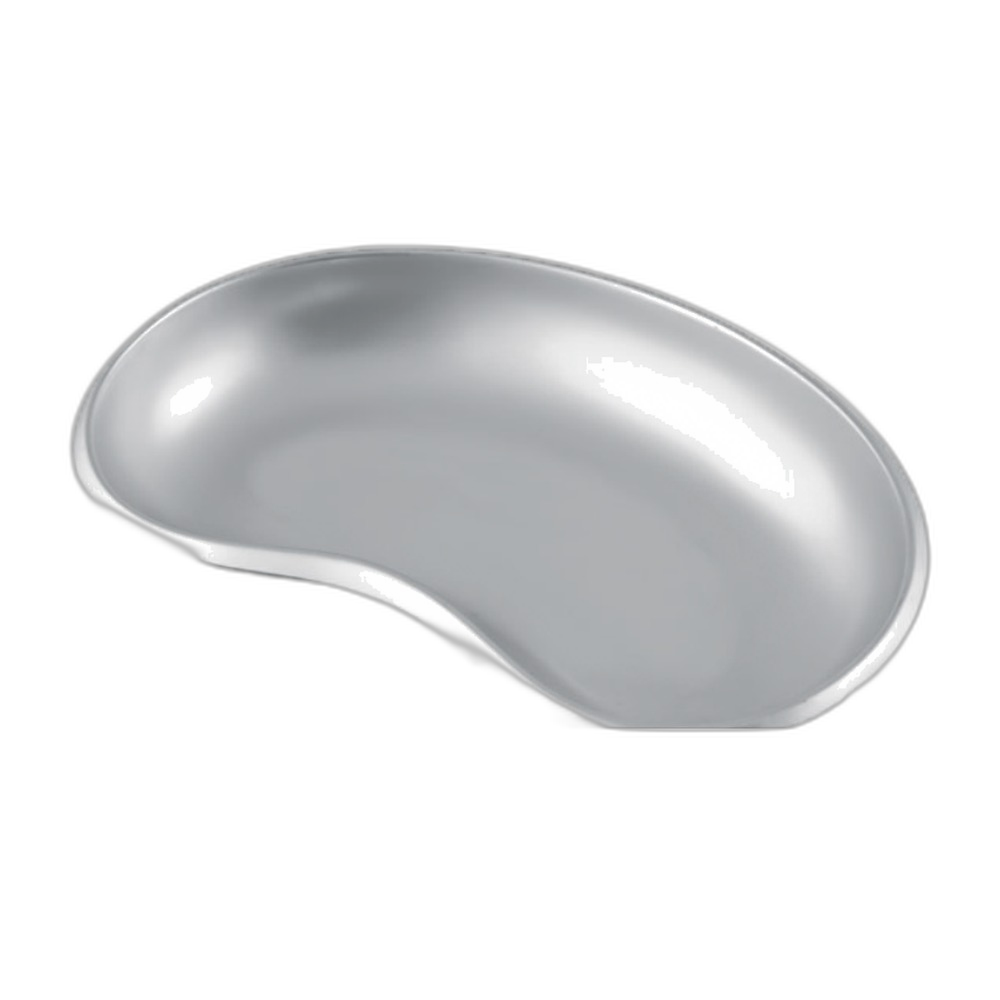

Where We Serve
Fizza Surgical exports to 50+ countries. Browse our country-specific pages with local regulatory guidance and pricing: