Vulsellum Forceps: Museux, Collin and Teale Patterns
Vulsellum forceps compared: Museux 2x2, Teale 3x4 and Collin patterns with tooth counts, jaw widths, lengths and procedure-by-procedure selection.
Ask three gynaecologists what a vulsellum is and you will get three answers. One will describe a heavy 2×2 toothed clamp for vaginal hysterectomy. One will describe the multi-toothed instrument they use to steady the cervix for a coil fitting. The third will insist the thing they use is a tenaculum and that the two words mean the same instrument anyway.
They are all partly right, which is exactly the problem when you are writing a tender specification or checking a delivery against a purchase order.
This guide fixes the vocabulary first, then works through the three patterns that dominate catalogues — Museux, Collin and Teale — with the tooth counts, lengths and clinical trade-offs that actually decide which one belongs on your tray.
Vulsellum or Tenaculum? The Line That Matters
The distinction is about tooth count and bite depth, not about brand or region.
A tenaculum concentrates the entire load on one or two sharp points per jaw. The single-tooth Schroeder is the archetype. It bites deep, it holds against strong traction, and it perforates cervical tissue by design — that puncture is how it grips.
Vulsellum forceps spread the load across multiple shorter, blunter, interlocking teeth. A 2×2 or 3×4 arrangement grips by compression across a wider footprint rather than by deep penetration of a single point.
The clinical consequence is measurable. Comparative work on intrauterine device insertion has looked directly at atraumatic vulsellum designs against the single-tooth tenaculum, and the recurring finding is that spreading the bite reduces bleeding and perceived pain — provided the instrument does not slip. When a multi-toothed jaw slips and is reapplied two or three times, the advantage disappears and total trauma can exceed a single well-placed tenaculum bite.
That caveat drives everything below. Choosing a vulsellum is not simply “pick the gentler instrument.” It is picking the tooth pattern that will hold on the first application against the traction that particular procedure demands.
Our uterine tenaculum forceps comparison covers the single- and double-tooth side of that decision in detail.
The Museux Pattern
The Museux is the workhorse of vaginal hysterectomy and the pattern most people picture when the word vulsellum is used without qualification.
Configuration
Straight jaws, ratcheted ring handles, and 2×2 inward-pointing prongs that interlock when closed. Jaw width typically runs 8–10 mm. Standard length is 240 mm (9½”), with 260 mm available for deep vaults.
The interlocking geometry is the key feature. Because the prongs of the upper jaw pass between the prongs of the lower, the tissue is not simply squeezed — it is held in a mechanical trap. This is why the Museux resists the sustained downward traction of a vaginal hysterectomy where lighter patterns pull through.
Where it earns its place
Vaginal hysterectomy, principally. Also cervical amputation, large fibroid delivery, and any procedure where the cervix must be brought to the introitus and held there for an extended period.
The 2×2 tooth count is a deliberate compromise. Fewer, larger teeth mean higher pressure per tooth and deeper penetration than a 3×4 pattern — closer to tenaculum behaviour than the word “vulsellum” suggests. That is acceptable when the cervix is being removed anyway. It is poor practice in a fertility-preserving outpatient procedure, and this is the single most common misapplication we see reported back from the field.
The Teale Pattern
Where the Museux commits to grip strength, the Teale commits to distribution.
Configuration
Most catalogue lines carry 3×4 teeth, with 4×5 variants available. Teeth are shorter and finer than the Museux, jaw width around 5–8 mm. Lengths run 225 mm to 255 mm. Critically, the Teale is offered in three shank geometries: straight, angled, and curved sideways.
That sideways curve is not a cosmetic option. In a narrow vagina or with an anteverted cervix, a straight instrument places the surgeon’s hand directly in the line of sight for the dilation that follows. The lateral curve moves the handles out of the axis while keeping the jaws square on the cervical lip.
Where it earns its place
Dilatation and curettage, hysteroscopy, cervical biopsy, and cerclage placement — procedures where the cervix must be steadied and straightened rather than hauled downward, and where the patient’s future fertility makes tissue conservation a genuine objective.
The 3×4 arrangement distributes load across seven contact points instead of four. Each tooth is shorter, so penetration depth is lower and the bleeding footprint is smaller. The trade-off is real: apply Museux-level traction to a Teale and it will pull through the cervical lip.
The Collin Pattern — and a Catalogue Warning
Collin is where specification writing goes wrong, so it is worth being precise about what the name actually denotes.
Collin was a French surgical instrument house whose name attaches to a range of patterns across gynaecology and general surgery — you will meet it again on the Duval-Collin grasping forceps used in abdominal work. In the vulsellum category, “Collin” typically indicates a heavy multi-toothed uterine grasping forceps, and separately a Collin uterine elevating forceps with swivel jaws that is a functionally different instrument altogether.
Here is the practical warning. Unlike Museux and Teale, the Collin designation is not reliably standardised for tooth count across suppliers. The same catalogue word can arrive as a 3×4, a 4×5, or a swivel-jaw elevator depending on whose stock list you ordered from.
The remedy is straightforward and we recommend it on every tender we quote: never specify a vulsellum by pattern name alone. State the pattern name, the tooth configuration, the jaw width in millimetres, the overall length, and the shank geometry. A line reading “Vulsellum forceps, Collin, 4×5 teeth, 5 mm jaw, 255 mm, curved sideways” cannot be misfilled. A line reading “Collin vulsellum × 12” will be misfilled sooner or later.
Pattern Comparison
| Pattern | Teeth | Jaw width | Lengths | Shank options | Primary use |
|---|---|---|---|---|---|
| Museux | 2×2 interlocking | 8–10 mm | 240–260 mm | Straight, curved | Vaginal hysterectomy, cervical amputation |
| Teale | 3×4 (4×5 available) | 5–8 mm | 225–255 mm | Straight, angled, curved sideways | D&C, hysteroscopy, cerclage, biopsy |
| Collin | 3×4 or 4×5 — confirm on order | 5–10 mm | 230–255 mm | Straight, curved | General uterine traction; verify variant |
| Jacobs (double-tooth) | 2 sharp per jaw | 6–8 mm | 200–230 mm | Straight | Cervical traction, MVA, IUD |
| Schroeder (single-tooth) | 1 sharp per jaw | — | 240–260 mm | Straight, curved | Maximum grip, minimum footprint |
Matching the Pattern to the Procedure
Vaginal hysterectomy
Museux, two of them. One on the anterior lip, one on the posterior, so traction can be alternated as the pouch is opened. The cervix is being removed, so bite depth costs nothing.
Dilatation and curettage
Teale, 3×4, angled or curved sideways. The instrument steadies and straightens the uterine axis so the sound and dilators follow a predictable path. Placing the bite on the cervical lip furthest from the introitus straightens that axis most effectively — a small detail that prevents a large number of false passages. Sizing of the dilator sequence that follows is covered in our Hegar uterine dilators guide, and the full tray in the D&C instrument set guide.
Hysteroscopy
Teale or a fine 3×4 equivalent. Traction here is modest and sustained; the priority is a stable grip that does not bleed into the operative field, because blood at the external os degrades the view immediately.
IUD insertion and removal
The lightest instrument that will hold. Many services have moved from single-tooth tenaculum to an atraumatic multi-tooth pattern specifically on the pain and bleeding evidence — but the slip caveat governs. If the cervix is firm and the instrument is skidding, one clean tenaculum bite causes less total trauma than three failed vulsellum applications.
Colposcopy and cervical biopsy
A fine 3×4 pattern, applied only if the cervix will not stay still under the speculum alone. Many colposcopists work without traction entirely, and that is the right default — an instrument on the cervix during a punch biopsy adds a second bleeding site to a field that already needs to stay clear for Monsel’s application. Where traction is genuinely required, place it on the lip opposite the lesion so the biopsy site is not distorted. The cervical biopsy forceps comparison covers the Tischler, Kevorkian and Schubert jaws that do the sampling.
Cervical cerclage
Teale on both lips. Gentle, symmetrical traction with a pregnant cervix, where bite depth is a genuine clinical risk rather than a theoretical one.
Evacuation of retained products
Museux or Collin for traction, paired with the appropriate evacuation instrument — see our ovum forceps guide for the Bierer, Sopher and Winter patterns that complete that set.
Tooth Geometry and Why It Decides Bleeding
Two variables govern how much a given jaw damages tissue: total contact points, and depth per point.
A 2×2 Museux presents four teeth. Under a given traction load, each tooth carries roughly a quarter of it. A 3×4 Teale presents seven teeth carrying roughly a seventh each, and those teeth are shorter to begin with. The penetration depth difference is not marginal — it is the difference between a puncture that oozes for the length of the procedure and a compression mark that stops within a minute of release.
Interlocking geometry adds a third variable. Museux prongs pass between one another; the tissue is trapped rather than pinched. This delivers grip security far beyond what four teeth would otherwise achieve, and it is why the pattern survives traction that pulls a Teale straight through.
Jaw width works alongside tooth count and is routinely ignored on order forms. A 5 mm jaw concentrates the same traction into half the footprint of a 10 mm jaw carrying an identical tooth pattern. Two instruments both truthfully described as “3×4 teeth” can therefore behave very differently on the same cervix — which is why jaw width belongs in the specification and not in the fine print.
The practical rule that follows: match tooth count to traction requirement, then apply the minimum force that holds. Over-ratcheting a fine-toothed pattern to compensate for the wrong instrument choice produces worse tissue outcomes than selecting the heavier pattern in the first place. If an instrument slips twice, change the instrument rather than the grip strength.
Materials, Ratchets and Failure Modes
Vulsellum forceps are conventionally manufactured from martensitic stainless to AISI 420, hardened and tempered so the teeth resist deformation while the shanks retain enough spring to close cleanly. AISI 410 appears on lighter, lower-cost patterns. Instrument steels for reusable surgical instruments fall under ISO 7153-1, and any credible manufacturer will hold mill certification tying each batch back to its steel source.
Three failure modes account for most instruments withdrawn from service:
Tooth deformation. Bent or flattened teeth stop interlocking. The instrument then slips under load, which invites over-ratcheting, which tears the cervix. Inspect the tooth profile against a new reference instrument, not against a neighbouring used one.
Box joint spread. Repeated heavy traction opens the joint and the jaws no longer meet squarely. Hold the closed instrument to the light: if the teeth interdigitate at the hinge but show daylight at the tip, retire it.
Ratchet wear. A ratchet that releases under load during a vaginal hysterectomy loses the cervix at the worst possible moment. Test by closing to the second position and tapping the rings firmly against a gloved palm.
For reprocessing, the box joint and the tooth interstices are the difficult zones. Both trap blood and cervical tissue. Ultrasonic cleaning with the instrument fully open, an enzymatic pre-soak, and water-soluble lubrication before autoclaving are the baseline — oil-based lubricants block steam contact and cause sterilisation failures at exactly the point where organic soil is most likely.
Specifying and Ordering
Five fields eliminate ambiguity from any vulsellum line item: pattern name, tooth configuration, jaw width in millimetres, overall length in millimetres, and shank geometry — straight, angled, or curved sideways.
Fizza Surgical manufactures the full range of vulsellum forceps in Sialkot under ISO 13485, CE marked, from certified AISI 410 and 420 stock with laser-marked traceability on every unit. Museux, Teale and Collin patterns are produced across the length and tooth-count variants listed above, with tooth geometry verified against a reference master at final inspection. See our surgical instruments range or the certifications page for the regulatory documentation supplied with each consignment.
Frequently Asked Questions
What is the difference between vulsellum forceps and a tenaculum?
Tooth count and bite depth. A tenaculum concentrates load on one or two sharp points per jaw and grips by penetrating tissue. A vulsellum spreads load across multiple shorter interlocking teeth — 2×2, 3×4 or 4×5 — gripping by compression over a wider footprint. The vulsellum generally causes less bleeding, provided it holds on the first application.
Which vulsellum pattern is best for vaginal hysterectomy?
Museux, 2×2 interlocking teeth, 240 mm. The interlocking prongs resist sustained downward traction that pulls finer patterns through the cervical lip. Use two — anterior and posterior — so traction can be alternated as the procedure progresses.
What does 3×4 teeth mean on a Teale vulsellum?
Three teeth on one jaw and four on the other, arranged so they interdigitate when closed. The mismatched count is intentional: it forces the teeth to pass between each other rather than meet point-to-point, which grips the tissue fold instead of crushing it.
Why is the Collin pattern inconsistent between suppliers?
Collin is a manufacturer house name rather than a standardised tooth configuration, and it attaches to several distinct instruments including a swivel-jaw uterine elevating forceps. Always specify tooth count, jaw width and length alongside the pattern name on any purchase order.
Can vulsellum forceps be used on a pregnant cervix?
Yes, and a fine multi-toothed pattern such as the Teale is preferred over a single-tooth tenaculum for cervical cerclage. The pregnant cervix is softer and more vascular, so distributing the bite across seven contact points rather than two materially reduces bleeding and the risk of the instrument tearing through.
Need precision surgical instruments?
Configure complete instrument sets with our team — ISO 13485 certified, CE marked, made in Sialkot since 1980.
Related Guides
View all articles →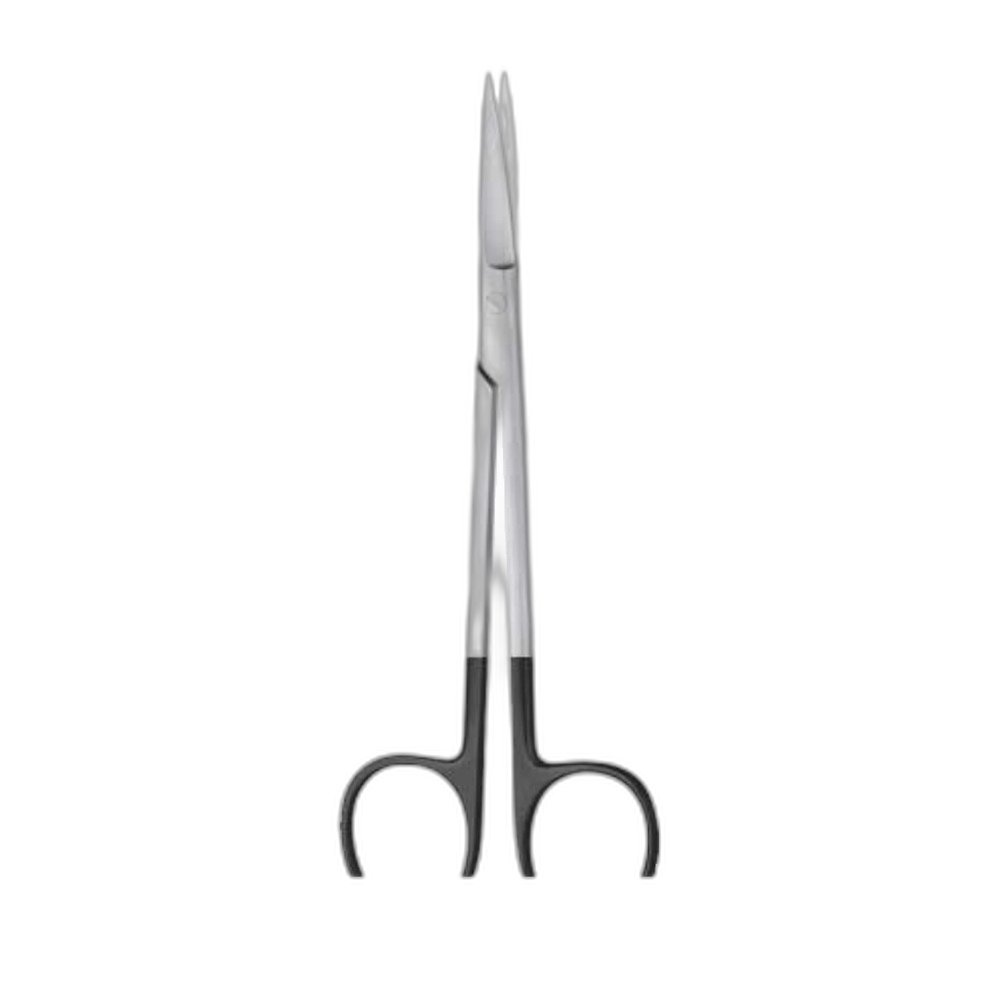
Where We Serve
Fizza Surgical exports to 50+ countries. Browse our country-specific pages with local regulatory guidance and pricing: