Tonsil Snare vs Cold Dissection: Tonsillectomy Instruments Compared
Tonsil snare vs cold dissection tonsillectomy: the instruments behind each technique, how they differ in bleeding and operative time, and tray setup.
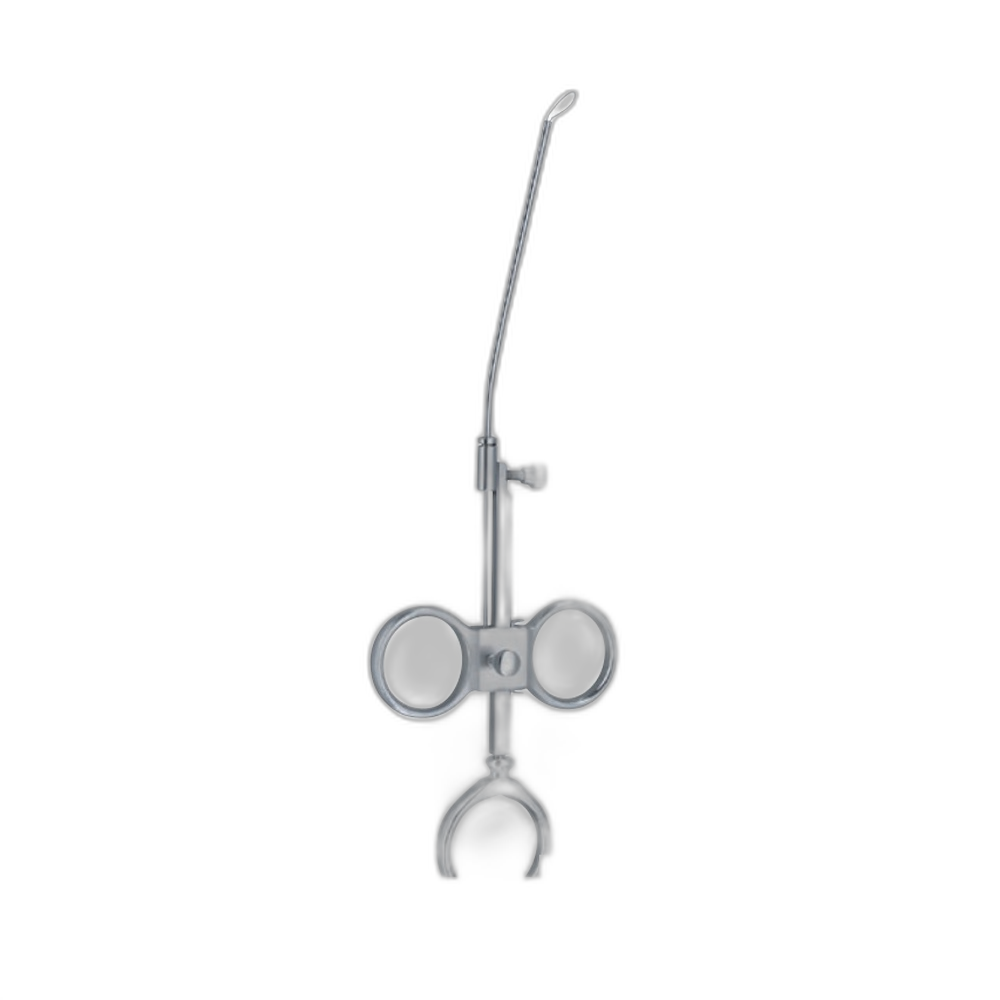 Made in Sialkot · Since 1980
| Cold Dissection | Snare Technique | |
|---|---|---|
| Core action | Sharp/blunt dissection along the capsule | Wire loop tightened around the tonsil base |
| Key instruments | Tonsil knife, dissector, scissors, forceps | Eve’s or Tydings snare with wire |
| Hemostasis | Separate — ties, packs, bipolar | Partial crush at the base |
| Often used | Throughout the dissection | To deliver the lower pole |
The two are not really rivals. In most cold-steel tonsillectomies they are used together: the tonsil is dissected free from its upper pole down along the capsule, and the snare finishes the job by amputating the lower pole. Understanding each instrument on its own is what makes the combination make sense.
What “Cold Dissection” Actually Means
“Cold” simply means no heat — the tissue is divided with sharp and blunt steel rather than diathermy or coblation. It remains the most widely practised tonsillectomy method worldwide, and it is the technique against which every newer method is measured.
The cold dissection tray is built around a handful of instruments, each with a defined role:
- Boyle-Davis mouth gag with a tongue blade — opens and holds the mouth, depresses the tongue, and frames the field.
- Draffin bipod stand — suspends the gag so the surgeon works hands-free.
- Tonsil-holding forceps (Denis Browne) — grasp the tonsil and apply medial traction to open the capsular plane.
- Tonsil knife / dissector — incises the mucosa over the upper pole and develops the plane between the tonsil and its bed.
- Tonsil scissors and pillar retractor — sharp division and exposure of the pillars.
- Tonsil snare — delivers the lower pole (more on this below).
- Negus or Birkett artery forceps and tonsil swabs on holders — hemostasis after the tonsil is out.
Because hemostasis is a separate step, the surgeon controls bleeding by tying vessels, applying pressure with swabs, or touching off bleeders with bipolar — “cold steel with hot hemostasis” is the common hybrid.
What the Snare Does
The tonsil snare is a wire loop on a handle. After the tonsil has been dissected down to its lower pole, the loop is passed over the tonsil, positioned at the base, and tightened. As the wire closes it crushes and divides the remaining pedicle, delivering the tonsil in one piece.
Two patterns are common:
- Eve’s snare — a classic loop snare for delivering the lower pole.
- Tydings snare — a guillotine-style snare with replaceable wire.
The crush the wire applies gives a small measure of hemostasis at the base, but the snare is not a hemostatic instrument in its own right. Its value is a clean, fast amputation of the lower pole once the dissection has done the hard work.
How They Compare in Practice
Comparative studies consistently make a few points. The combined cold dissection-and-snare method removes the whole tonsil and carries a low rate of delayed (secondary) bleeding because it leaves minimal thermal injury to the tonsil bed. Heat-based methods such as bipolar diathermy and coblation are typically faster on the clock — reported operative times for electro-dissection run a few minutes shorter than cold dissection-snare — but they trade that speed for a higher risk of secondary hemorrhage and more post-operative pain in many series.
| Factor | Cold dissection + snare | Hot (diathermy / coblation) |
|---|---|---|
| Operative time | Slightly longer | Slightly shorter |
| Intra-operative bleeding | More (controlled separately) | Less (sealed as you cut) |
| Secondary hemorrhage | Low | Higher in many studies |
| Post-op pain | Generally less | Often more |
| Equipment cost | Basic, widely available | Generator / probe required |
One nuance worth flagging from the literature: a pure wired-snare approach (snaring without full capsular dissection) has been linked to more bleeding and tonsillar remnants than careful dissection followed by snare delivery. The snare is a finishing instrument, not a shortcut around the dissection.
Choosing and Equipping a Tonsillectomy Tray
For a unit running cold-steel tonsillectomy, the instrument list is inexpensive and almost universally available — one reason the method endures in high-volume and resource-limited settings alike. The investment is in instrument quality, not exotic equipment: a tonsil knife that holds an edge, a dissector with a true plane-finding tip, and a snare with a clean wire channel.
For the complete instrument breakdown, our tonsillectomy instrument set guide lists the full tray. If your ENT service also covers nasal and sinus work, the septoplasty and FESS instrument sets share the same quality standards. You can also browse the full surgical instruments range.
From Guillotine to Snare: A Short History
For much of the nineteenth and early twentieth centuries, tonsils were removed with a guillotine — a bladed instrument that sliced the tonsil in a single stroke. It was fast but blunt, and it left tissue behind as often as not. The wire snare and the rise of careful capsular dissection replaced it because they removed the whole tonsil with far better control. The Tydings snare is a direct descendant of that guillotine lineage, refined into a controlled, wire-cutting instrument.
Step by Step: Cold Dissection With Snare Delivery
The two instruments come together in a defined sequence. A representative cold-steel tonsillectomy runs roughly as follows:
- Exposure. The Boyle-Davis gag is inserted and suspended on the Draffin stand, depressing the tongue and framing both tonsils.
- Traction. Denis Browne tonsil-holding forceps grasp the tonsil and draw it medially, putting the capsule on tension.
- Incision. The tonsil knife incises the mucosa over the upper pole, finding the plane between the tonsil capsule and the muscular bed.
- Dissection. Blunt and sharp dissection follows the capsule downward, peeling the tonsil from its bed with minimal bleeding when the plane is correct.
- Snare delivery. At the lower pole the snare loop is passed over the tonsil, seated at the base, and tightened to crush and divide the remaining pedicle, delivering the tonsil whole.
- Hemostasis. The bed is packed with a tonsil swab; persistent bleeders are tied with artery forceps or touched with bipolar.
When the plane is found cleanly, blood loss through the dissection itself is modest — most of the bleeding control happens in that final hemostasis step rather than during cutting.
Pediatric and Adult Considerations
Tonsillectomy is overwhelmingly a pediatric procedure, and instrument selection reflects that. Smaller gags and blades suit a child’s airway, and the lower-pole snare is valued precisely because it shortens the time the airway is instrumented. In adults, tonsils are often more fibrotic from repeated infection, the capsular plane can be scarred, and dissection takes longer — one reason adult cold-steel cases trend toward slightly longer operative times.
Reprocessing the Snare and Replacing the Wire
The snare has one consumable the rest of the tray does not: its wire. A frayed or kinked wire cuts unevenly and can snag, so it is replaced rather than reused indefinitely. The snare body itself is dismantled for cleaning so debris does not lodge in the wire channel, then inspected for a smooth, free-running mechanism before reassembly. The remaining cold-steel instruments — knife, dissector, scissors, forceps — follow standard reprocessing, with edge inspection on the knife and scissors at every cycle.
Frequently Asked Questions
Is the tonsil snare used instead of cold dissection?
No — in most cold-steel tonsillectomies they are used together. The tonsil is dissected free along its capsule, and the snare delivers the lower pole at the end. The snare is a finishing instrument, not a replacement for dissection.
Which tonsillectomy method has the least bleeding afterward?
Cold dissection with snare delivery typically shows a low rate of delayed (secondary) hemorrhage because it leaves minimal thermal injury to the tonsil bed, compared with heat-based diathermy or coblation methods in many studies.
What is the difference between an Eve’s snare and a Tydings snare?
Both tighten a wire loop around the tonsil base. Eve’s is a classic loop snare for delivering the lower pole; the Tydings is a guillotine-style snare that uses replaceable wire.
Why is cold dissection still so common?
It removes the whole tonsil, carries low secondary-bleeding risk, causes less post-operative pain in many series, and needs only basic, widely available instruments — no generator or probe.
Need precision surgical instruments?
Configure complete instrument sets with our team — ISO 13485 certified, CE marked, made in Sialkot since 1980.
Related Guides
View all articles →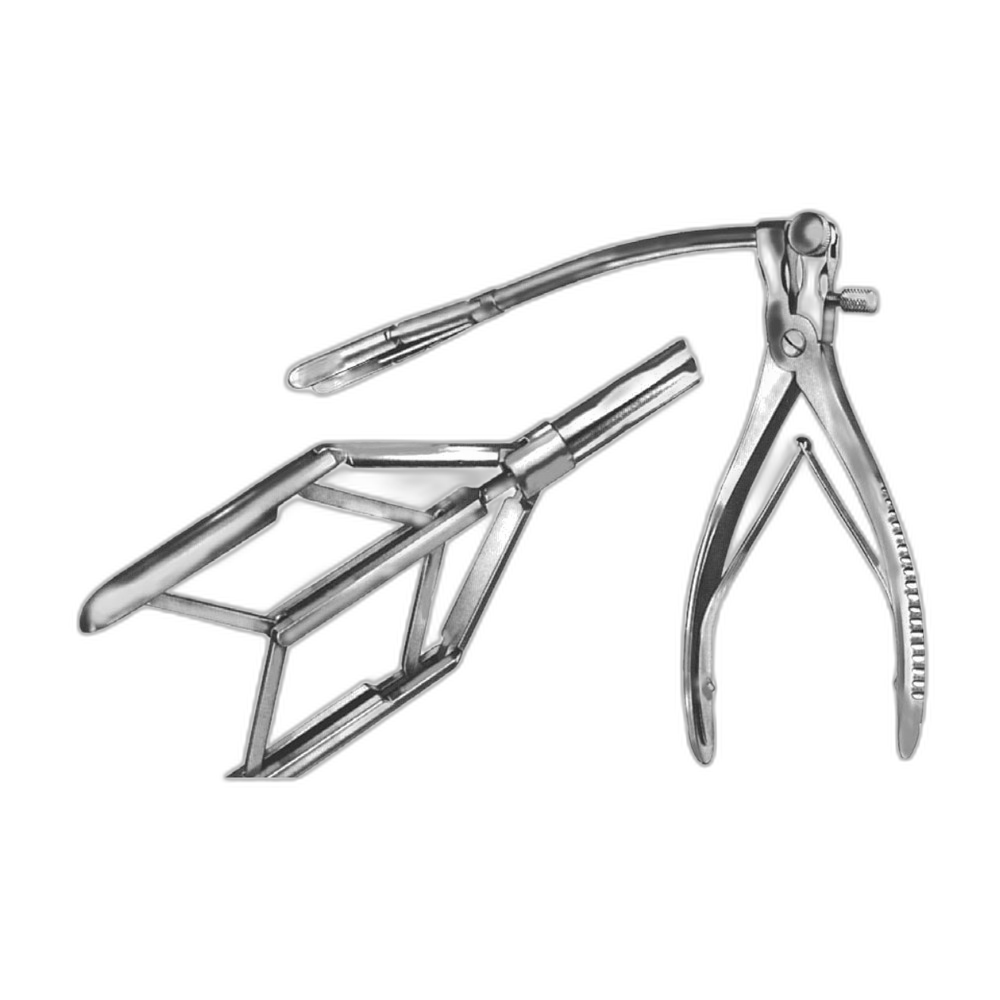

Where We Serve
Fizza Surgical exports to 50+ countries. Browse our country-specific pages with local regulatory guidance and pricing: