Tendon Repair Instrument Set: Orthopedic Soft Tissue Surgery
Tendon repair instrument set guide: essential forceps, scissors and needle holders for hand, extensor and Achilles surgery, plus steel grades and care.
 Made in Sialkot · Since 1980
A lacerated flexor digitorum profundus in zone II is one of the least forgiving repairs in the hand. The tendon retracts into its sheath, the working corridor is a few millimetres wide, and every pass of the needle competes with the pulley system for space. The outcome hinges as much on the tray in front of the surgeon as on the technique. Get the instrument selection wrong and you bruise the epitenon, fray the suture, or crush the very tissue you are trying to save.
This guide breaks down what actually belongs in a tendon repair tray, why each instrument earns its place, and the material and sizing details that separate a set built for delicate soft-tissue work from a generic minor-surgery kit.
What a Tendon Repair Set Has to Do
Tendon surgery is a problem of controlled handling. The surgeon has to identify both cut ends, retrieve the retracted proximal stump without shredding it, hold the ends under even tension, and place a core suture plus an epitendinous running stitch — all without the instruments themselves becoming a source of trauma.
That drives three requirements across the set: fine, atraumatic grasping; precise low-profile cutting; and stable magnified suturing. A tray assembled for bone work or general laparotomy fails on all three counts. The jaws are too coarse, the scissors too heavy, and the needle holders too broad for 4-0 to 6-0 material on a micro-point needle.
Core Instruments in a Tendon Repair Tray
Tendon-Retrieving and Grasping Forceps
Retrieving a retracted tendon end is the first bottleneck. Fine-toothed tissue forceps — an Adson-Brown with multiple rows of 7×7 teeth, or a delicate Debakey-pattern with atraumatic serrations — grip the epitenon enough to draw the stump forward without the puncture damage a single-tooth forceps causes. Some sets add a small tendon-retrieving forceps with a slightly cupped jaw for feeding the proximal end back through the sheath.
The rule on the field is simple: never grasp the repair site itself. Handle the tendon only at the cut end that will sit inside the suture line.
Tenotomy and Iris Scissors
Trimming frayed tendon ends and squaring the stump calls for short, fine blades. Tenotomy scissors with a blunt-blunt or sharp-blunt tip and a 115–130 mm length give the control that heavy Mayo scissors cannot. For the finest work — cleaning the epitenon or dividing adhesions — a pair of iris scissors with 100 mm curved blades is the standard choice.
Needle Holders
Core sutures in tendon repair run 3-0 to 4-0; the epitendinous stitch runs 5-0 to 6-0. That range demands a fine-jaw needle holder, not a heavy driver. A Crile-Wood pattern handles the core suture, while a Castroviejo or a delicate Halsey holder controls the small curved needle for the running peripheral stitch. If you are choosing between drivers, our comparison of the Crile-Wood and Mayo-Hegar needle holders covers the tissue-weight trade-off in detail.
Skin Hooks and Small Retractors
Single and double skin hooks with a 2 mm prong open the wound and lift skin flaps without the crush of a toothed retractor. Small self-retaining retractors or fine rake retractors keep the field open through the sheath opening so both hands stay free for the repair.
Probes and Dissectors
A fine curved probe or mosquito forceps helps define the plane between tendon and sheath and confirms the pulley anatomy before the sheath is incised. Preserving the A2 and A4 pulleys is non-negotiable in the digit, and blunt dissection is how you protect them.
Typical Tendon Repair Set Composition
| Instrument | Pattern / Size | Role in the Repair |
|---|---|---|
| Tissue forceps | Adson-Brown 7×7 teeth, 120 mm | Atraumatic stump retrieval |
| Dressing/DeBakey forceps | 1.5–2 mm tip, 150 mm | Handling without crush |
| Tenotomy scissors | Blunt/blunt, 115 mm | Squaring frayed ends |
| Iris scissors | Curved, 100 mm | Epitenon and adhesion work |
| Needle holder (core) | Crile-Wood, 150 mm | 3-0/4-0 core suture |
| Needle holder (micro) | Castroviejo, 140 mm | 5-0/6-0 epitendinous stitch |
| Skin hooks | Single & double, 2 mm prong | Flap retraction |
| Mosquito forceps | Curved, 125 mm | Blunt dissection, haemostasis |
| Scalpel handle | No. 3, for 15 blade | Sheath incision |
Material and Finish: Why It Matters More Here
Delicate instruments live or die by their tips. Grasping forceps and scissors are forged from martensitic stainless — AISI 410 and 420 grades that harden well and hold an edge or tooth alignment through repeated sterilisation. Structural pieces such as retractors and probes are made from austenitic 304 or 316 for corrosion resistance. All of it should be passivated so a chromium-oxide layer protects the surface from pitting.
On a fine forceps the two rows of teeth have to interdigitate perfectly. A gap of even a fraction of a millimetre means the jaw grips on one point and shears the tendon rather than holding it. This is where quality control at the manufacturing stage shows up on the operating table. Every instrument we build for soft-tissue trays is inspected for tip seating and jaw alignment before it ships — the same standards described in our ISO 13485 and CE certification documentation.
Zone and Procedure-Specific Considerations
No single tray is optimal for every tendon. The anatomy dictates which instruments carry the load.
Flexor Tendon Repair (Hand)
Flexor work, especially in zone II, is the most demanding. The tendon runs inside a tight fibro-osseous sheath, and the A2 and A4 pulleys must be preserved or the finger bowstrings. This is the setting that justifies the finest micro instruments — the smallest iris scissors, the finest-tipped forceps, and a Castroviejo driver for the 6-0 epitendinous suture. A tendon-retrieving forceps or a paediatric feeding tube technique is often used to deliver the retracted proximal stump without repeated grasping.
Extensor Tendon Repair
Extensor tendons are flatter and more superficial, so exposure is easier but the repair still needs atraumatic handling. The core suture is often slightly finer and the tendon is broad, so a mattress or running technique is used. The instrument emphasis shifts from deep retrieval toward precise, low-profile suturing near the skin.
Achilles and Large Tendon Repair
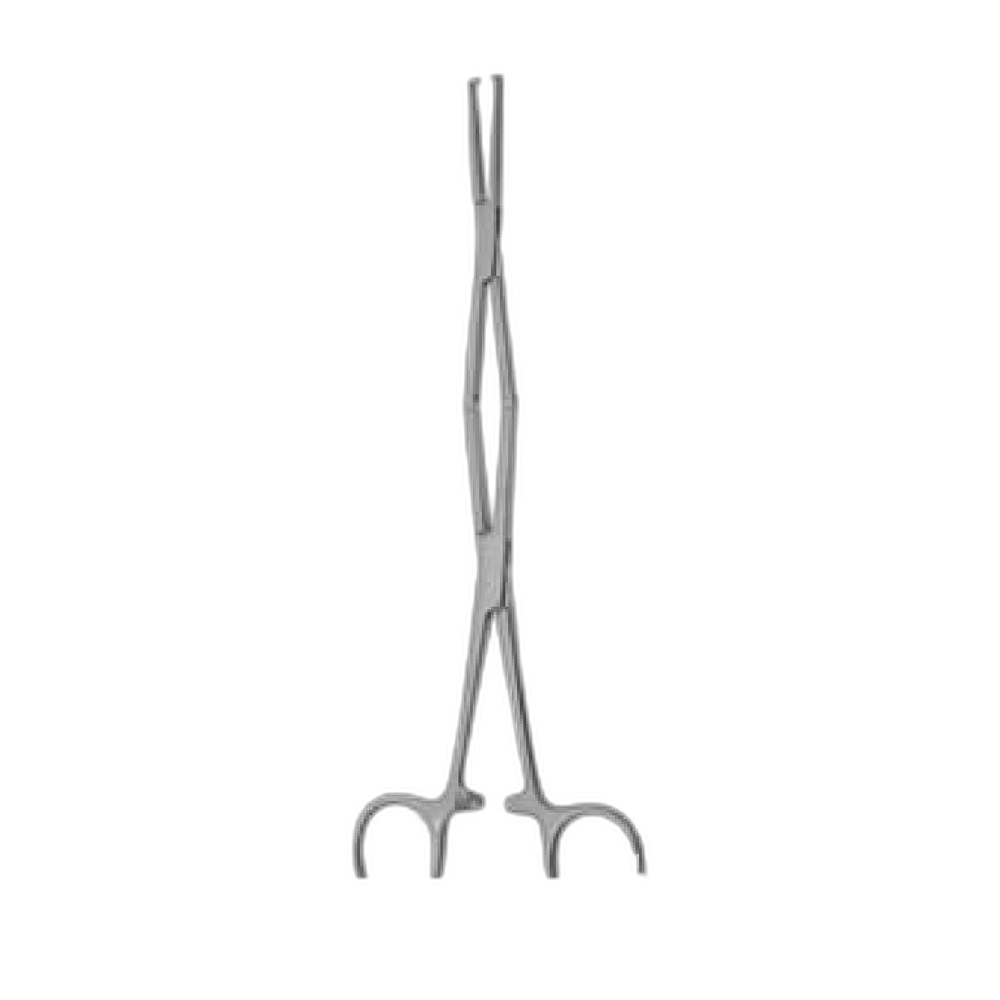
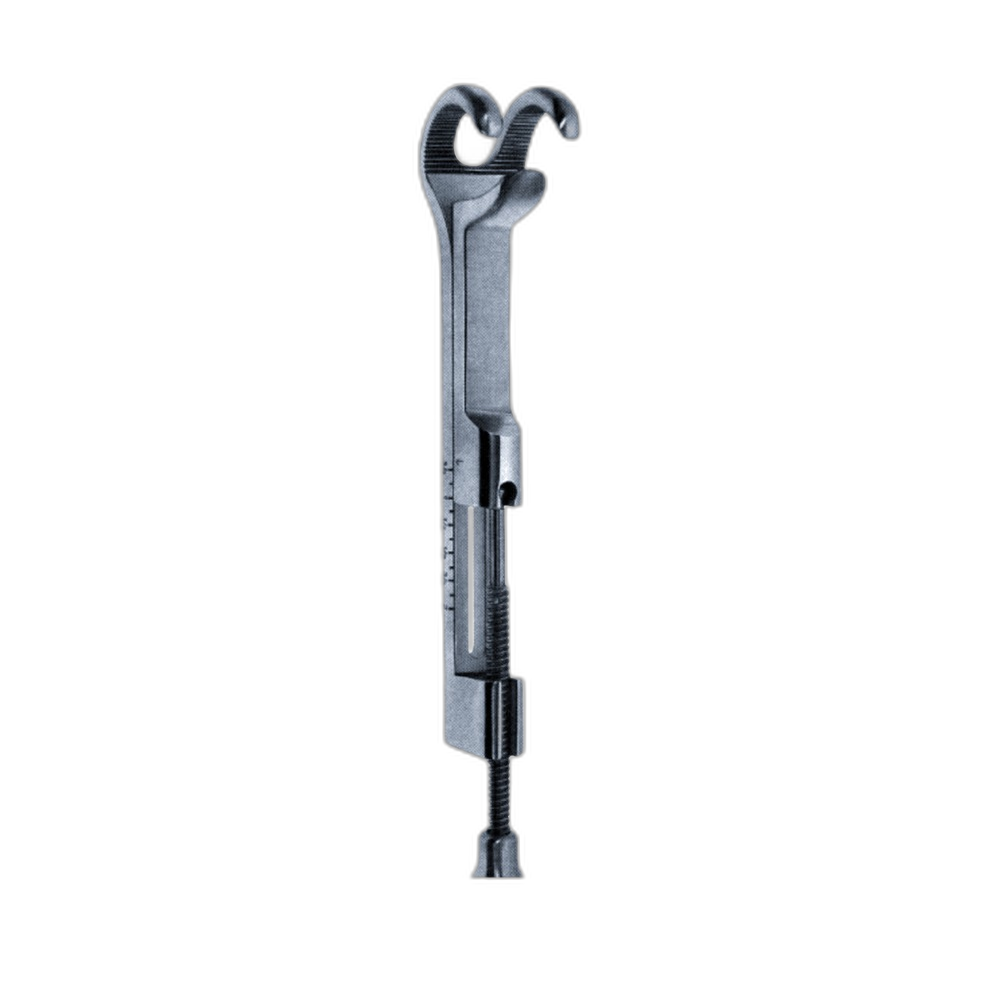
Achilles repairs invert the priorities. The tendon is thick and the working depth greater, so the set trends toward longer, slightly heavier instruments and a tendon-approximating clamp that holds the two ends together under tension while the core sutures are placed. Heavier core suture — 2-0 or even heavier — means a more robust needle holder than the hand set uses.
Handling Rules That Protect Every Repair
Whatever the tendon, a handful of principles govern how the instruments are used. Grasp the tendon only at the cut end that will lie within the suture line, never at the repair surface. Keep the epitenon — the gliding outer layer — intact, because damage there drives the adhesions that stiffen the finger. Handle fine instruments by their intended surfaces and never use a delicate scissor to cut suture, which springs the blades. And keep the tissue moist throughout; a tendon that dries out on the field handles worse and heals worse.
The quality of the tendon repair instruments is what makes these rules achievable. A forceps whose teeth do not meet cannot grip the stump without crushing it, and a scissor with a dull tip tears rather than trims. That is why the tips and jaws are the first thing to inspect on any soft-tissue tray.
Care and Sterilisation
Fine tendon instruments accumulate protein debris in box joints and serrated tips. Ultrasonic cleaning before autoclaving is essential, and delicate tips should be protected with silicone guards during processing to prevent bending. The micro instruments in the set benefit from the dedicated handling described in our guide to sterilising microsurgical instruments. Lubricate box joints with an instrument milk after cleaning, and inspect tips under magnification before every reassembly.
A bent iris scissor tip or a sprung forceps jaw is not repairable at the sink. Pull it from the tray and replace it — a compromised fine instrument does more harm than a missing one.
Building the Right Tray for Your Caseload
A hand surgeon doing flexor repairs, a plastic surgeon doing extensor and grafting work, and a foot-and-ankle team doing Achilles repairs each weight the set differently. Achilles work needs longer, slightly heavier instruments and a tendon-approximating clamp; digital flexor work needs the finest tips and micro drivers. Talk through your procedure mix before ordering rather than accepting a generic kit — the difference between a 13-piece and a 24-piece configuration is usually the number of micro instruments and retractors, not the core forceps and scissors.
For teams that also handle fracture-associated tendon injuries, pairing the soft-tissue tray with orthopaedic instruments from our bone surgery range keeps a single-source, consistently finished set across the whole reconstruction.
Frequently Asked Questions
What instruments are essential in a tendon repair set?
The essentials are fine atraumatic tissue forceps for stump retrieval, tenotomy and iris scissors for trimming, a fine needle holder for the core suture and a micro needle holder for the epitendinous stitch, plus skin hooks and mosquito forceps. Everything else is procedure-specific.
What steel grade is used for tendon repair instruments?
Cutting and grasping instruments use hardenable martensitic stainless (AISI 410/420) so tips and teeth stay aligned, while retractors and probes use austenitic 304/316 for corrosion resistance. All parts should be passivated.
Why not use a general minor-surgery kit for tendon work?
General kits have jaws and blades that are too coarse for tendon tissue and drivers too broad for 5-0 and 6-0 suture. They crush the epitenon and fray fine suture, raising the risk of rupture and adhesion.
How should fine tendon instruments be sterilised?
Ultrasonic clean to clear debris from box joints, protect delicate tips with silicone guards, lubricate joints, then autoclave. Inspect every tip under magnification before reassembly and pull any bent or sprung instrument.
Can one tray cover both hand and Achilles tendon repair?
Partly. The core forceps, scissors and drivers overlap, but Achilles work needs longer, heavier instruments and a tendon-approximating clamp, while digital flexor work needs the finest micro tips. Most teams keep a shared base with procedure-specific add-ons.
Need precision surgical instruments?
Configure complete instrument sets with our team — ISO 13485 certified, CE marked, made in Sialkot since 1980.
Related Guides
View all articles →
Where We Serve
Fizza Surgical exports to 50+ countries. Browse our country-specific pages with local regulatory guidance and pricing: