Prostatectomy Instrument Set: Complete Urology Surgical Guide
Prostatectomy instruments guide: open retropubic, perineal and robotic sets, from the Millin bladder retractor to the deep vesicourethral anastomosis.
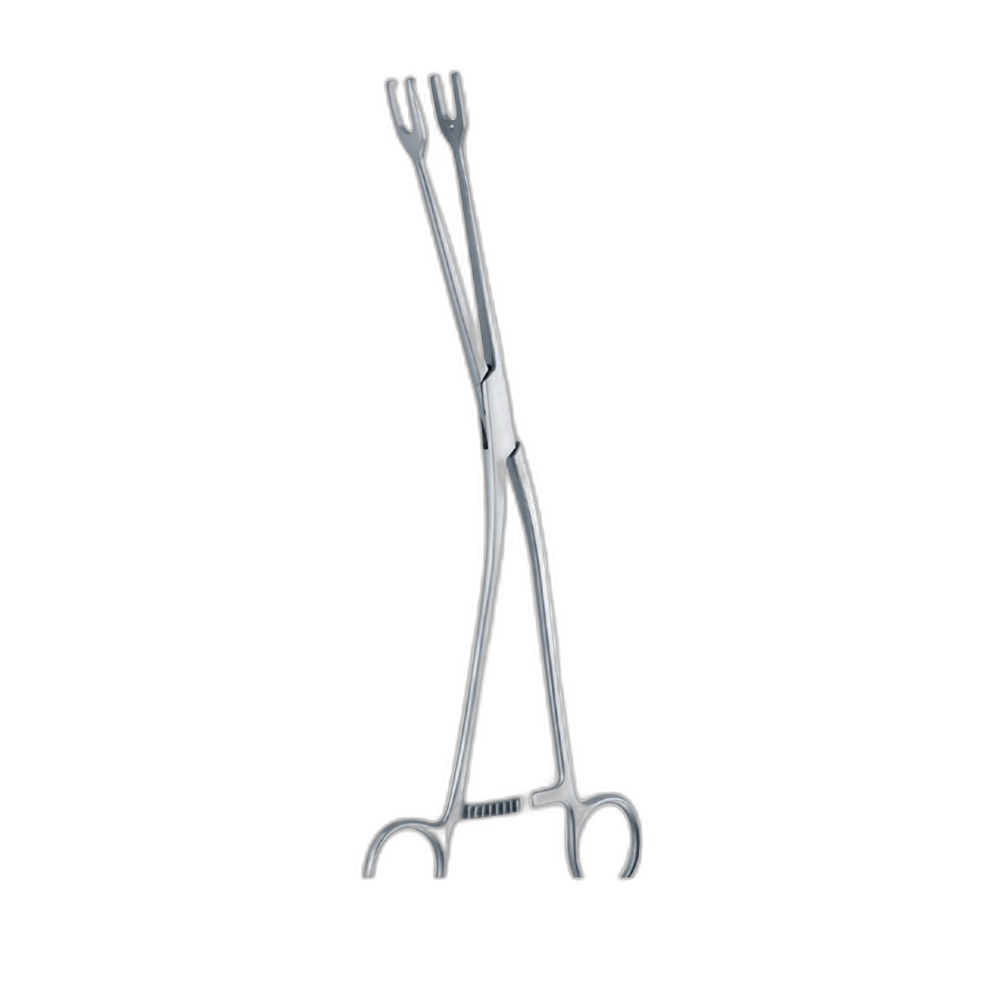 Made in Sialkot · Since 1980
Few surgical fields are as unforgiving of a poorly chosen instrument as the male pelvis. The prostate sits in a bony funnel, wrapped by the dorsal venous complex in front and the neurovascular bundles on each side, with the rectum a millimetre behind. A radical prostatectomy asks the surgeon to remove the gland whole while sparing the structures that govern continence and potency — and that balance begins with the tray.
This guide covers how prostatectomy instruments are assembled into a working set for open retropubic surgery, where the differences lie for the robotic and perineal routes, and the material and reprocessing details that separate a set built to last from one that pits and loosens within a year.
Three Approaches, Three Trays
“Prostatectomy” is not one operation. The instruments follow the route.
| Approach | Access | Signature Instruments | Tray Weight |
|---|---|---|---|
| Open retropubic (RRP) | Lower midline incision | Millin bladder retractor, deep pelvic set | Heavy |
| Radical perineal | Curved perineal incision | Lowsley tractor, Young retractor, perineal set | Medium |
| Robot-assisted (RARP) | 6 trocar ports | Robotic wristed instruments, open backup | Light open tray |
Most centres running high volumes have moved to robot-assisted radical prostatectomy, but the open retropubic set remains the reference tray — it is what a robotic team converts to in an emergency, and it is still the standard of care in much of the world where robotic platforms are unavailable. We describe the open set in most detail below for that reason.
The Open Retropubic Prostatectomy Set
Deep pelvic access is the organising principle. Standard-length instruments simply do not reach; almost everything in this tray is longer than its general-surgery equivalent, and the retraction is purpose-built to hold the bladder and pelvic sidewalls open at depth.
Retraction: Seeing the Bottom of the Pelvis
The Millin retractor — a self-retaining bladder retractor with interchangeable blades — is the instrument most associated with this operation. It holds the bladder cephalad and exposes the retropubic space of Retzius. Around it, a Balfour or Bookwalter frame stabilises the abdominal wall, and long, narrow Deaver blades let the assistant reach the apex of the prostate.
- Millin bladder retractor with extra-deep blade set
- Balfour self-retaining retractor with malleable centre blade
- Long Deaver retractors, narrow profile, for the prostatic apex
- Deep pelvic Harrington retractor
- Malleable ribbon retractors, assorted widths
If your team is choosing between fixed and modular frames, our Bookwalter retractor system guide covers how to configure a ring for deep pelvic work, and the Deaver retractor guide explains blade selection for reaching the apex.
Dissection and the Neurovascular Bundles
Nerve-sparing is delicate work. The dissection along the posterolateral prostate demands fine right-angle forceps and long, fine-tipped scissors that let the surgeon peel the bundle away without traction injury. Heavy dissection is done higher, where the seminal vesicles and vas are mobilised.
- Long fine right-angle (Mixter) forceps, 23 cm and 26 cm
- Long curved Metzenbaum scissors, 26 cm
- DeBakey atraumatic forceps for vessel and bundle handling
- Fine-tipped Lahey and tonsil forceps for passing ties
- Nerve hook and blunt pelvic dissector
Vascular Control at the Dorsal Vein
The dorsal venous complex is the bleeding risk of the operation. It is ligated and divided before the urethra is reached, and control of it is what keeps the field dry enough to spare nerves. Long needle holders passing a heavy stitch under the pubis, plus atraumatic clamps for temporary control, are essential. A DeBakey or Satinsky pattern gives non-crushing occlusion should the complex retract — the same principles set out in our vascular clamp comparison apply here.
The Vesicourethral Anastomosis
After the gland is out, the bladder neck is joined to the urethral stump over a catheter. This anastomosis is deep and technically demanding. The set carries long, fine needle holders — often with tungsten carbide inserts — and a bladder-neck clamp or Allis forceps to present the tissue. Some surgeons prefer a Lowsley tractor to bring the apex up into view during this step.
- Long Mayo-Hegar needle holders, 22 cm and 26 cm, TC insert
- Allis and Babcock tissue forceps, long pattern
- Bladder-neck clamp
- Van Buren or Lowsley urethral sound/tractor
The Perineal Prostatectomy Set
The perineal route reaches the prostate from below, between the scrotum and anus. It is less common today but still used, and it needs a distinctly different tray. The Young prostatic retractor and the Lowsley tractor define it: the tractor is passed through the urethra to draw the gland down toward the perineal incision, while curved perineal retractors hold the shallow but awkward wound open. Instruments here are shorter and more curved than the retropubic set, shaped to work in the confined perineal space.
Robot-Assisted: What Stays on the Open Table
In a RARP, the wristed robotic instruments perform the dissection and anastomosis. But the scrub team still opens a lean open tray — trocars, a Hasson introducer or Veress needle for access, laparoscopic graspers and scissors for the assistant port, clip appliers, a suction-irrigation cannula, and a specimen retrieval bag. Critically, a full open prostatectomy set stays sterile and reachable for conversion. A vascular injury near the iliac vessels can force an open finish in seconds.
Pelvic Lymph Node Dissection
In intermediate- and high-risk cancer, the radical prostatectomy is paired with an extended pelvic lymph node dissection along the external iliac and obturator packets. This adds a distinct sub-group to the tray: long right-angle forceps and fine dissecting scissors to skeletonise the iliac vessels, clip appliers to control the small lymphatic channels (unligated lymphatics leak and form lymphoceles), and a nerve hook to protect the obturator nerve as the node packet is swept off the pelvic sidewall. The dissection sits deep and lateral, so the same extended-length instruments that serve the prostatic apex do double duty here.
Catheter, Drains, and Closure
The operation finishes over an indwelling urethral catheter, which stents the vesicourethral anastomosis while it heals. The set therefore includes urethral sounds or a catheter guide, a bladder syringe to test the anastomosis for leaks, and a pelvic drain. Closure uses the standard needle holders and tissue forceps, but the fascial layer of a lower midline incision benefits from a heavier Mayo-Hegar holder and a mass-closure suture. A tidy, watertight anastomosis and a well-placed drain are what keep the patient out of trouble in the first post-operative week.
Material Selection and Manufacturing
A prostatectomy set is punished by depth, torque, and a wet, saline-and-urine field. Every material decision should serve corrosion resistance and jaw integrity.
We forge the clamp bodies, retractors, and Millin blades from AISI 410 and 420 martensitic stainless, hardened and tempered so a long instrument does not flex or lose its jaw set when the surgeon works at the pelvic floor. Scissor edges are 420 for edge retention. Fine forceps, needle-holder jaws, and any part in constant contact with irrigation fluid use austenitic 316L for its higher chromium and molybdenum content and superior pitting resistance. Needle holders and heavy scissors receive brazed tungsten carbide inserts, extending their service life and giving a more secure grip on fine sutures at depth.
Because these instruments are reprocessed constantly, we passivate every piece to restore the chromium-oxide passive layer, and we laser-mark identifiers rather than acid-etch them, so traceability survives years of autoclaving. Steel conforms to ISO 7153-1; sets are produced under our ISO 13485 quality management system and CE marked under EU MDR. Our certifications page lists the current documentation.
Sizing and Configuration Table
| Instrument | Typical Length | Material | Role |
|---|---|---|---|
| Millin bladder retractor | Blades 5–9 cm deep | 410/420 | Bladder retraction, space of Retzius |
| Long Metzenbaum scissors | 26 cm | 420 edge | Neurovascular bundle dissection |
| Mixter right-angle forceps | 23–26 cm | 410 | Passing ties at depth |
| Mayo-Hegar needle holder | 22–26 cm | TC insert | Vesicourethral anastomosis |
| DeBakey forceps | 24 cm | 316L | Atraumatic tissue handling |
Reprocessing and Longevity
Long instruments and deep box joints trap debris. Ultrasonic cleaning with proper lubrication of the Mixter and needle-holder hinges is essential; dried protein in a box joint stiffens the action and eventually cracks it. Autoclave ratcheted clamps on the first ratchet only. Handle the Millin blades carefully — a bent blade will not seat and compromises exposure at the worst moment. A structured decontamination cycle, as in our CSSD workflow guide, keeps a set like this serviceable for a decade or more.
Frequently Asked Questions
What instruments are unique to a radical prostatectomy set?
The Millin self-retaining bladder retractor is the signature instrument of the open retropubic approach. The perineal route adds the Lowsley tractor and Young prostatic retractor. Both routes also rely on unusually long, fine dissecting instruments — 23–26 cm right-angle forceps and Metzenbaum scissors — because standard-length tools cannot reach the pelvic floor.
Why are prostatectomy instruments longer than standard surgical instruments?
The prostate sits at the bottom of the bony pelvis, well below the reach of general-surgery instruments. Dissecting the neurovascular bundles, ligating the dorsal venous complex, and completing the vesicourethral anastomosis all happen at depth, so the tray uses extended-length needle holders, scissors, and clamps.
Does robotic prostatectomy still need an open instrument set?
Yes. The wristed robotic instruments do the dissection, but the team keeps a lean laparoscopic assist tray plus a full open prostatectomy set on standby for emergency conversion. An injury near the iliac vessels can demand an open finish within seconds, so the conversion tray must stay sterile and reachable.
Which steel is used for the vesicourethral anastomosis needle holders?
The needle-holder body is martensitic 410/420 for strength at length, with brazed tungsten carbide jaw inserts for a secure grip on fine sutures. Instruments in constant contact with irrigation fluid, and fine atraumatic forceps, use austenitic 316L for maximum pitting resistance in the wet pelvic field.
Can you supply prostatectomy sets for both open and perineal approaches?
Yes. We build retropubic sets around the Millin retractor and perineal sets around the Lowsley tractor and Young retractor, matched to a hospital’s preference card. All sets are manufactured under ISO 13485, CE marked under EU MDR, and laser-marked for traceability. Send us your instrument list for a configuration and quotation.
A prostatectomy tray rewards precision in both design and manufacture. The instruments must reach, hold, and cut cleanly at the pelvic floor, then survive years of reprocessing without corroding. Browse our surgical instrument range or contact our team to specify a set for your urology service.
Need precision surgical instruments?
Configure complete instrument sets with our team — ISO 13485 certified, CE marked, made in Sialkot since 1980.
Related Guides
View all articles →

Where We Serve
Fizza Surgical exports to 50+ countries. Browse our country-specific pages with local regulatory guidance and pricing: